TxDOT says no structural risk on US 290–I-35 flyover after viral ‘crack’ image spreads
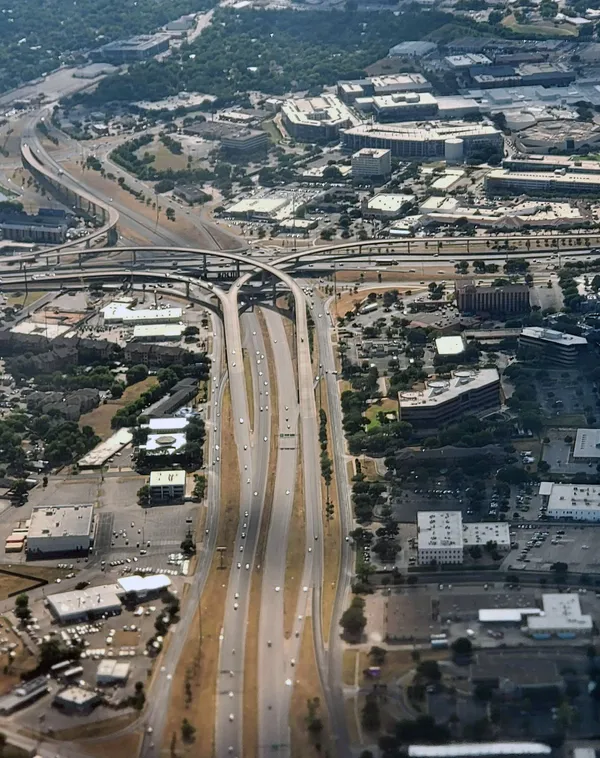
Viral image prompts renewed scrutiny of a heavily used Austin connector
A photograph shared widely on social media in mid-February 2026 appeared to show a pronounced “crack” on the flyover linking U.S. 290 and Interstate 35 in North Austin, raising public questions about the structure’s condition and safety.
State transportation officials said the image does not indicate a structural problem and that the flyover remains safe for traffic. The agency said bridges and flyovers are built with features that accommodate movement as temperatures change, and those elements can resemble gaps or separations when viewed in photos.
Why gaps can appear on bridges without signaling structural damage
Bridge decks and their approaches are engineered to expand and contract as temperatures and moisture conditions vary. Transportation engineering guidance describes how joints are used to accommodate that movement and prevent the forces created by expansion from pushing into bridge components in ways that can cause damage. These joints can be visible from the driving surface and may look more prominent during certain weather conditions.
Maintenance guidance also emphasizes that joints are intended to allow movement while keeping debris and water from reaching vulnerable parts of the structure. When joint components loosen or when seal systems deteriorate, the issues may create noise, visible discontinuities, or localized surface problems—conditions that can appear alarming in images even when they do not represent a loss of load-carrying capacity.
Cones and a metal plate: what officials said about the work zone
The same viral discussion also centered on traffic cones visible along the flyover. Transportation officials said the cones were not newly placed in response to the viral post and were related to earlier work in which a metal plate had been installed on the ramp. The agency described the installation as having occurred “a while back,” indicating the traffic control arrangement predated the latest online attention.
How bridge safety is monitored in Texas
Texas follows federally required bridge safety practices that typically include routine inspections about every two years, with condition ratings assigned to major components and follow-up actions recommended when inspectors identify deficiencies that warrant attention. Beyond those routine cycles, agencies may also review specific locations when public concern spikes or when observations suggest a maintenance issue could affect operations.
Routine inspections are designed to identify structural and maintenance needs before they become safety-critical.
Joints and deck interfaces are common focus areas because they manage movement and can channel water if seals or drainage are compromised.
Temporary traffic control, including cones and plates, can remain in place while repairs are scheduled or monitored for performance.
Transportation officials said the viral image did not reflect a structural defect and that the flyover was designed to accommodate normal movement from weather-driven expansion and contraction.
What drivers can expect next
Officials have not announced closures tied to the viral image. For motorists, the practical near-term impact is likely to be limited to existing lane control on the ramp where cones remain in place. As with other high-traffic elevated connectors, any changes—such as revised traffic control, repairs to joint elements, or adjustments to surface plates—would typically be communicated through standard roadway advisories.