Travis County set to expunge records of four men once tied to Austin’s 1991 yogurt shop murders
A court hearing is scheduled to clear arrest records after new forensic work redirected the case
Travis County is moving toward formally clearing the names of four men once charged in the 1991 killings of four teenage girls at the “I Can’t Believe It’s Yogurt!” shop in North Austin, a case that has shaped the city’s criminal justice history for more than three decades.
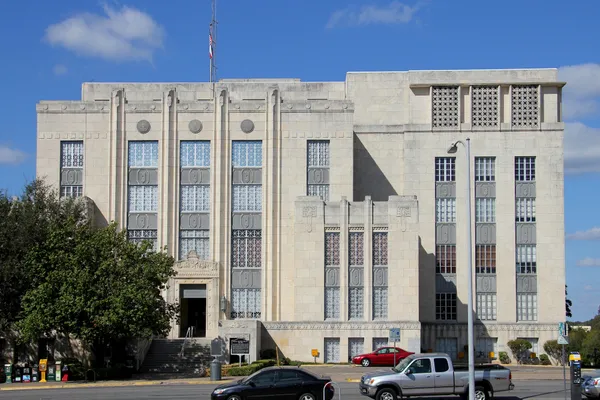
An expunction hearing is scheduled for Thursday, Feb. 19, 2026, in Travis County District Court. The proceeding is expected to address the criminal records associated with Michael Scott, Robert Springsteen, Maurice Pierce and Forrest Welborn—men whose names remained linked to the case long after prosecutions fell apart.
The murders occurred on Dec. 6, 1991, when victims Amy Ayers, 13; Eliza Thomas, 17; and sisters Jennifer Harbison, 17, and Sarah Harbison, 15, were attacked inside the shop near Anderson Lane. The building was then set on fire, damaging evidence and complicating an already difficult investigation.
How the case shifted—and why expunction matters now
The four men were arrested in 1999 amid intense public pressure to solve the crime. Scott and Springsteen were convicted and received severe sentences, while the case against Pierce was later dismissed and Welborn was not indicted. The convictions did not hold: by 2009, Scott and Springsteen were released after later DNA testing did not match them, undermining the state’s theory of the case and the reliability of key confession evidence that both men had recanted.
Even when charges are dropped, Texas criminal history files can continue to reflect an arrest or prosecution unless a court orders expunction. Expunction is a legal process that, when granted, requires relevant agencies to remove or destroy records tied to the arrest or case, limiting what can appear in background checks and official databases.
- The hearing is aimed at formally eliminating lingering records tied to the 1999 arrests.
- It follows prosecutorial filings asserting the men were not involved in the murders.
New forensic findings and an identified suspect
In late September 2025, Austin authorities announced that renewed forensic review—centered on advanced DNA testing—linked the crime to Robert Eugene Brashers, who died in 1999. Investigators said the weight of the evidence pointed to Brashers’ responsibility and to the innocence of the four previously accused men.
The upcoming expunction proceeding represents a procedural step separate from identifying a suspect: it is focused on correcting the official record for the men whose names were long associated with the case.
Officials have said the investigation continued after the identification, and the expunction process is being pursued in parallel to bring legal finality to the status of the original suspects. For families of the victims and for those previously prosecuted, the hearing is expected to clarify the case’s legal posture while closing a chapter that has remained unresolved in court records for years.