Torchy’s Tacos will close seven restaurants in five states as chain reshapes footprint by February
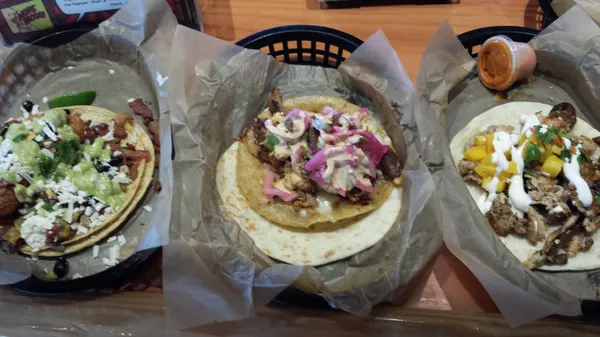
Seven closures scheduled by Feb. 3 across Texas, Arizona, Georgia, Florida and Ohio
Torchy’s Tacos, the Austin-founded fast-casual chain that began as a food trailer in 2006, is set to close seven restaurants across five states by Feb. 3, 2026. The shutdowns mark the latest step in a broader review of the company’s restaurant portfolio following multiple closures in 2025.
The company has described the move as a performance-based decision tied to long-term planning, indicating that the affected sites no longer fit its longer-range operating strategy. After the closures take effect, the chain is expected to operate about 120 restaurants nationwide across 16 states.
Locations identified for closure
The closures span both newer and more established markets and include the chain’s exit from Columbus, Ohio. The restaurants scheduled to close by Feb. 3 are:
- Stafford, Texas (Houston-area suburb)
- Queen Creek, Arizona — 21386 S. Ellsworth Loop Rd, Queen Creek, AZ 85142
- Atlanta, Georgia — 1055 Howell Mill Road (West Midtown)
- Altamonte Springs, Florida — 999 North State Road 434
- Winter Garden, Florida — 3310 Daniels Road
- Columbus, Ohio — 3726 W. Dublin Granville Road
- Columbus, Ohio — 6042 N. Hamilton Road
In Ohio, the two Columbus restaurants are scheduled to close Feb. 3, ending the brand’s presence in that city after a prior Columbus-area closure in 2025. The company has said it intends to continue operating elsewhere in the state.
What the closures signal for Torchy’s strategy
“At Torchy’s, we’ve always believed that growing the right way matters more than growing fast.”
In statements provided through spokespersons, the company has framed the closures as part of an effort to focus on higher-performing markets and to support a consistent guest experience. The chain has also indicated it will continue investing in its core menu and hospitality model rather than pursuing rapid expansion for its own sake.
The timing places Torchy’s in the middle of a broader period of volatility for restaurant operators, particularly in higher-cost markets where sales volumes, lease terms, labor expenses and competitive density can materially affect store-level profitability. For fast-casual brands, these factors often drive decisions to consolidate footprints while prioritizing regions with stronger unit economics.
What happens next
The company has signaled that the near-term closures are intended to be limited in scope. For customers, the changes will be most visible in markets where Torchy’s will no longer operate a nearby location—particularly Columbus—while remaining largely incremental in states where the brand maintains multiple restaurants.
As the Feb. 3 closure date approaches, affected communities can expect transition plans for staff and final operating timelines to be handled at the store level, while the chain continues to operate its remaining locations across the U.S.