Texas DPS installs license plate readers in Austin months after the city ended APD’s program
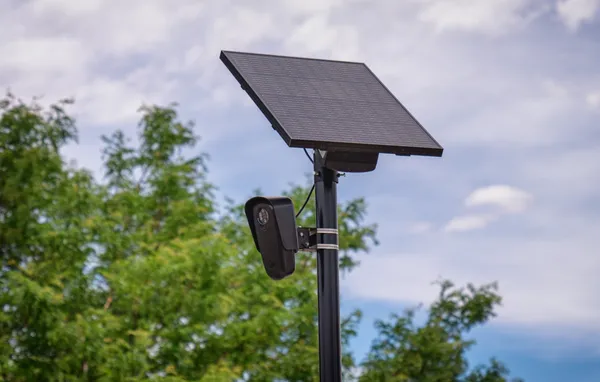
State-installed cameras reappear after Austin ended its contract
Automated license plate readers have returned to Austin through a state deployment after city leaders allowed the Austin Police Department’s pilot program to expire in 2025 amid privacy and oversight concerns.
In a statement released this month, the Texas Department of Public Safety said it installed license plate reader (LPR) cameras in Austin on Feb. 2, 2026, placing them within “several state rights of way” after authorization from the Texas Department of Transportation and the issuance of roadway permits. The agency declined to identify the specific locations or disclose how many devices were installed.
Where the cameras have been spotted and who controls the data
Residents shared photos of pole-mounted cameras along major corridors, including North Lamar Boulevard near Koenig Lane. Additional installations have been reported along South Lamar Boulevard and near City Hall. DPS has said the cameras are on state right-of-way or state property, not city property.
DPS said access to the images and footage is restricted to law enforcement agencies that have signed agreements with the department. The agency has not publicly clarified which agencies hold such agreements or whether federal immigration authorities are included.
Austin’s earlier program: scope, limits and why it ended
Austin’s city-run LPR effort was launched as a pilot in March 2024, using a mix of fixed cameras and vehicle-mounted units. City materials and audit figures presented during the pilot described a program that generated tens of millions of scans and thousands of alerts used for investigations ranging from vehicle theft to locating suspects and missing persons.
City leaders and community members raised concerns about data security, potential secondary uses of collected information, and the risk that information could be accessed outside Austin through broader law enforcement networks. During the pilot, the city also faced compliance questions about whether all searches were properly documented under local rules requiring case numbers or a stated purpose.
After a contentious series of public meetings, the city manager removed a renewal item from the City Council agenda in early June 2025, and the city’s contract was allowed to lapse by the end of that month.
What’s different now: local limits vs. state authority
The current deployment highlights a jurisdictional divide. Austin’s City Council can set rules for tools purchased and operated by the city, but state agencies can place equipment on state-controlled property and right-of-way when permitted. That means local restrictions adopted for city use do not automatically apply to state-operated systems.
Key questions still unanswered
- How many DPS-operated LPR cameras are currently active in Austin and where they are located
- Which agencies have signed agreements granting them access to DPS-collected LPR data
- What retention periods, audit controls and documentation requirements govern searches of the DPS system
- How the state’s use of vendor-operated technology is overseen amid ongoing public debate about privacy and accountability
The reappearance of license plate readers in Austin underscores how surveillance technology can expand through overlapping local and state systems, even when a city ends its own program.
DPS says the cameras are intended to support criminal investigations, including recovering stolen property and locating missing persons. Austin officials have emphasized that the state-installed cameras are not operated by the city and are not placed on city-owned land.