Student-led Presidents Day protest in Austin targets ICE cooperation, as schools face new state guidance
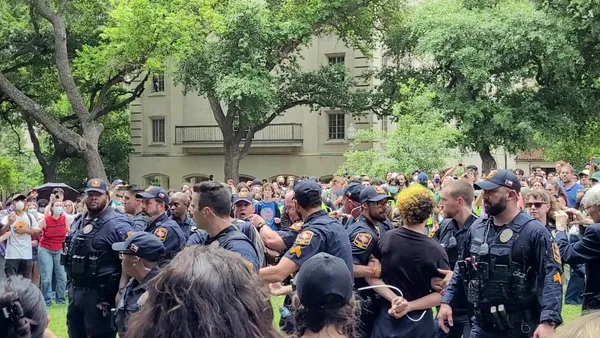
A new round of immigration protests is expected in Austin on Presidents Day
A student-led protest is planned in Austin on Presidents Day, Monday, Feb. 16, 2026, continuing a wave of demonstrations in Central Texas that have focused on federal immigration enforcement and the role of local institutions. The planned action follows recent walkouts and rallies in the Austin area in which students and community groups have called for limits on cooperation with U.S. Immigration and Customs Enforcement (ICE).
How the current movement has taken shape locally
In late January, organizers held an “ICE Out of ATX” event at Austin City Hall, framing the rally as part of a broader national walkout. Organizers said the goal was to press city leaders and local law enforcement to reduce or end certain forms of cooperation with ICE, including actions tied to administrative warrants. The January event included scheduled programming and a petition delivery to city officials, reflecting a strategy that combines public demonstration with formal requests to local government.
In the weeks since, student walkouts tied to immigration enforcement issues have drawn attention from state leaders and education regulators. The public debate has expanded beyond immigration policy to include questions about student safety, supervision during walkouts, and the responsibilities of school staff during school hours.
What Austin-area schools have been told to do during walkouts
Austin ISD has issued internal guidance to staff on how to respond when students leave class for protests. The district’s approach has emphasized that employees are not permitted to plan, endorse, or participate in walkouts and that teachers are expected to remain with students who stay on campus. The district has also described a monitoring boundary of 300 feet from school buildings, after which staff would remain on campus while police coordinate with other agencies.
State-level messaging has been explicit that districts and educators could face investigation or discipline if they are found to have facilitated disruptions during the school day. Separately, the Texas Attorney General has announced investigations involving multiple districts over their handling of walkouts, arguing that districts may have failed to maintain safety or allowed improper disruption of instruction.
What participants are asking for, and what officials are weighing
Protest demands in Austin have centered on reducing local cooperation with ICE and limiting law enforcement actions that could lead to people being transferred into federal custody. City leaders and police officials, meanwhile, must navigate overlapping obligations: compliance with state and federal law, public safety planning around demonstrations, and community concerns about immigration enforcement.
Presidents Day in Austin also affects normal government operations, with many city administrative offices closed for the holiday and regular hours resuming Tuesday, Feb. 17, 2026.
Practical considerations for Monday
Students who leave campus during school hours may be marked absent or truant under district attendance rules, depending on school policy and authorization procedures.
Families should review campus-specific safety plans, including where students are expected to report if they return to school after a walkout.
Demonstrations downtown can affect access around City Hall and nearby streets, particularly if groups march between locations.
The Presidents Day protest is expected to add to a rapidly developing political and legal landscape in Texas, where immigration enforcement protests are increasingly intersecting with state oversight of public education and district accountability.