Renaming Effort Targets César Chávez Streets as Abuse Allegations Prompt Reviews of Public Honorifics
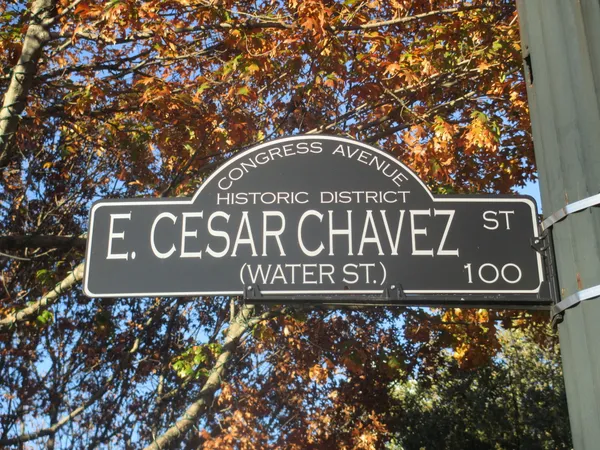
A renewed debate over public names
Efforts to rename streets bearing César Chávez’s name are emerging in several U.S. cities after new allegations of sexual abuse involving the late labor leader became public in March 2026. The push has revived long-running questions about how governments should respond when honorees face serious accusations, and what standards should guide the naming or renaming of public infrastructure.
Why the issue surfaced now
The allegations have already reshaped planned commemorations tied to Chávez’s legacy. The United Farm Workers—an organization Chávez co-founded in 1962—announced it would not participate in César Chávez Day activities scheduled for March 31, 2026, after describing the allegations as troubling and credible enough to warrant distancing the union from events honoring him. In Texas, organizers also canceled the 2026 César E. Chávez March for Justice in San Antonio; city officials were informed the cancellation involved a “sensitive matter,” as described in official correspondence reviewed by local media.
Streets named for Chávez are now under scrutiny
Chávez’s name is attached to streets and civic sites nationwide, many adopted decades after his death in 1993. Some of those naming decisions were contentious even at the time, often because of practical costs for residents and businesses—address changes, signage updates, and administrative modifications—alongside debates over local historical relevance.
In Portland, Oregon, one prominent example is César E. Chávez Boulevard, a renaming of NE/SE 39th Avenue approved by the city council in 2009, with initial street signage installed in early 2010. The corridor functions as a major north-south route, meaning any change would affect a large number of addresses and wayfinding systems.
In Austin, César Chávez Street—formerly 1st Street—runs through a key east-west corridor near downtown. Any formal renaming process would typically require city action and coordination across mapping, emergency response databases, and public works signage.
How renaming decisions typically proceed
City street renaming generally involves a structured public process that can include:
- review of local code criteria for renaming and historical significance,
- public notice and hearings,
- consultation with affected residents, property owners, and businesses,
- cost estimates for replacing signage and updating records.
What happens next
Municipal leaders considering changes face two parallel questions: whether public honorifics should be removed while allegations are assessed, and what alternative names—such as reverting to a previous street name or selecting another figure—would meet legal and administrative requirements. In cities where the Chávez name was itself the outcome of earlier public disputes, officials may also confront renewed demands for clearer, consistent standards for commemorative naming decisions.
Street names are not only symbolic; they are a core part of civic navigation, public safety systems, and residents’ legal addresses.