Phase One of Congress Avenue Redesign Starts in Austin, Targeting Safer Walking, Cycling, and Streetscape Access
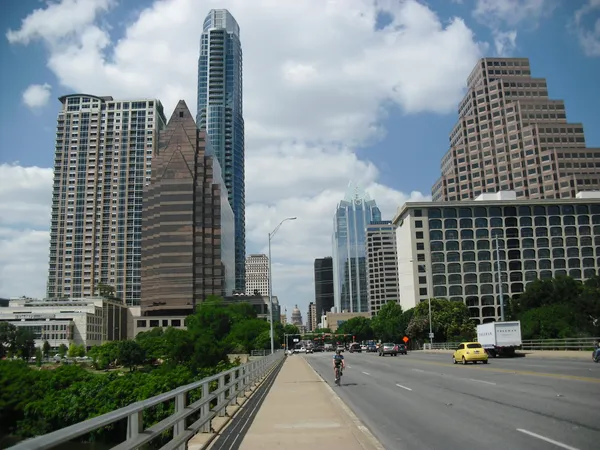
Construction begins on first funded segment of Congress Avenue Urban Design Initiative
Phase one of a long-planned redesign of Congress Avenue is now underway in downtown Austin, launching a block-by-block construction program aimed at reshaping how pedestrians, cyclists, scooters, vehicles and adjacent businesses use the corridor.
The first phase focuses on Congress Avenue from Cesar Chavez Street north to Seventh Street. City project materials describe the work as a shift toward a more pedestrian-oriented street design, with expanded sidewalk and amenity space, upgraded bicycle separation, and targeted traffic-operations changes intended to reduce conflicts at key intersections.
Cost, funding and timeline
Phase one carries an estimated construction cost of about $13 million and is tied to voter-approved transportation funding from Austin’s mobility bond programs, including the 2020 Mobility Bond. Construction began on January 30, 2026, and the city’s current schedule anticipates substantial completion by summer 2027.
Work is planned to move in segments, with individual blocks expected to take roughly two to three months each. Project communications indicate short-term lane closures and detours will occur during construction, while pedestrian routes and access to businesses and building entrances are expected to remain available.
What changes are planned between Cesar Chavez and Seventh
Across the phase-one footprint, the core concept is to repurpose portions of existing curbside space—most notably angled parking areas—into pedestrian amenity zones and functional space for trees and streetscape elements. The plan also calls for a more consistent protected bikeway treatment, using a low-profile concrete barrier in place of less-protective or inconsistent separation.
- Sidewalk and pedestrian amenity expansions where space allows, including areas intended to support street-level activity such as outdoor dining or queuing.
- Tree and planting upgrades, including enlarging soil volumes around existing trees and replacing trees where prior plantings have failed.
- ADA-related corner work, including curb ramp upgrades and accessible pedestrian signals at intersections.
- Targeted turn-lane and signal changes, including a dedicated right-turn lane at Cesar Chavez Street with signal adjustments to manage crossings.
Parking, curb access and business operations
The redesign reduces some on-street parking along the corridor to make room for wider pedestrian zones and tree-supporting infrastructure. Project planning documents also describe retaining or relocating accessible parking in order to meet federal requirements, with some accessible spaces potentially shifted to nearby cross streets where appropriate.
To address curbside needs tied to daily operations, the plan also includes designated curb uses in limited locations for activities such as rideshare pick-up/drop-off, valet and commercial loading.
How phase one relates to the larger Congress Avenue vision
Phase one is part of the broader Congress Avenue Urban Design Initiative, which has also evaluated more substantial future changes north of Seventh Street. Proposed later stages have included a pedestrian-plaza concept between Seventh and 11th streets, with vehicle movements ending north of Seventh while allowing east-west cross traffic on the numbered streets. Those future elements have been described as requiring significant regrading and additional funding beyond what is currently in place.
For now, the city is advancing the funded, near-term reconstruction and multimodal upgrades from Cesar Chavez Street to Seventh Street as the first construction step.