NTSB Docket Details I-35 Work-Zone Pileup in North Austin and Driver’s Limited Sleep Opportunities
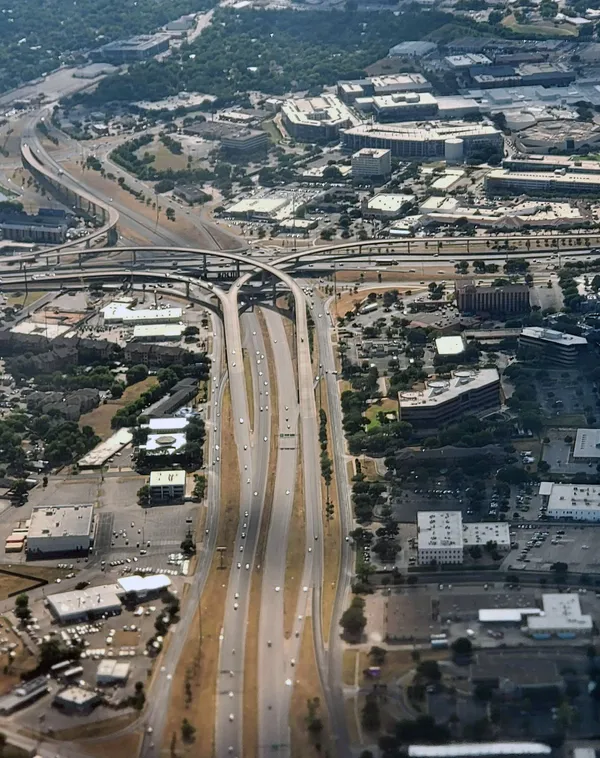
A year after the crash, new federal records sharpen the timeline
Federal investigators have released extensive docket materials in the ongoing investigation of a multivehicle crash in a long-term Interstate 35 work zone in North Austin that killed five people on March 13, 2025. The newly public records include a human-performance factual report that reconstructs the truck driver’s recent schedule and estimates the limited windows he had available for sleep in the days leading up to the collision.
The crash occurred at about 11:20 p.m. as a tractor-trailer traveled southbound near mile marker 245.4 and encountered a traffic queue created by lane closures within the work zone. Investigators reported the truck did not stop as it approached slowing traffic and struck vehicles at the end of the queue, then continued into the line of stopped or slow-moving vehicles for roughly a tenth of a mile before coming to rest on the left shoulder.
What investigators say happened in the work zone
A short-term overnight resurfacing project had been established inside the larger, long-term work zone. The resurfacing operation began at 9 p.m. and was scheduled to end at 3:30 a.m. the next day. The posted speed limit through the area had been reduced from 70 mph to 60 mph during work-zone operations.
- Five people died: four occupants of a passenger car and one passenger in a pickup truck.
- Other occupants across the involved vehicles reported injuries ranging from minor to serious.
- The truck driver was reported uninjured.
Sleep opportunities: what the federal timeline estimates
The human-performance factual report estimates sleep opportunity by identifying off-duty periods when the driver was not documented as engaged in other activities for at least 30 minutes. Using electronic logging device records, telematics, phone records, and extracted phone data, investigators estimated the maximum sleep opportunity on key dates before the crash.
Across March 10–13, 2025, investigators estimated:
- March 10: longest contiguous sleep opportunity about 3 hours 30 minutes; total accrued sleep opportunity up to 4 hours.
- March 11: longest contiguous sleep opportunity about 2 hours 45 minutes; total accrued sleep opportunity up to 7 hours 15 minutes.
- March 12: longest contiguous sleep opportunity about 2 hours 15 minutes; total accrued sleep opportunity up to 5 hours 30 minutes.
- March 13 (day of the crash): multiple short rest periods with no more than 1 hour 15 minutes contiguous; total accrued sleep opportunity up to 4 hours 45 minutes.
Investigators noted that during an approximately 18-hour off-duty period between March 12 and the start of driving on March 13, the driver’s activities—described as almost continuous phone use—reduced sleep opportunities to several short periods.
Other operational data highlighted in the docket
The docket also documents electronic logging and telematics details, including periods when the logging device gateway was unpowered while the truck moved, and recorded events such as speeding and hard braking during the broader evaluation window. The investigation remains open, and a final determination of probable cause and any safety recommendations have not yet been issued.
This story will be updated as additional factual reports and analysis are released and as investigators publish findings on work-zone traffic control, carrier oversight, and driver performance factors.