North Austin residents question new Flock license plate readers as city debates privacy, oversight, and policing benefits
New cameras, familiar questions
Concerns voiced by north Austin residents about newly installed Flock Safety automated license plate readers (ALPRs) are unfolding against a recent, citywide debate over how such systems should be governed, who can access the data they generate, and what safeguards are enforceable in practice.
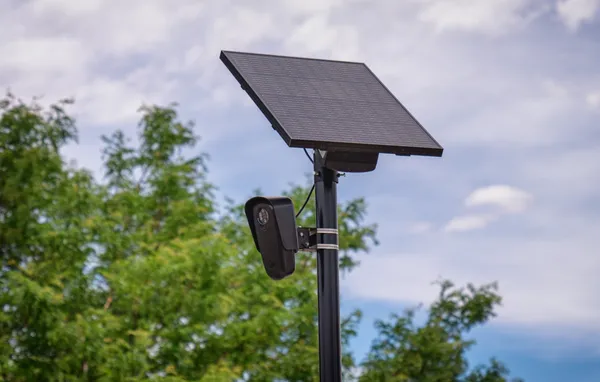
Flock ALPRs are fixed cameras designed to capture images of license plates and vehicles as they pass. Police agencies can search the resulting database to locate vehicles of investigative interest, typically using lists such as stolen-vehicle entries or other law-enforcement “hotlists.”
Austin’s recent ALPR pilot and what it recorded
Austin’s most recent ALPR deployment operated as a pilot program and combined fixed cameras with a larger number of vehicle-mounted cameras. City audit discussions and public briefings during 2025 described a program that scanned on the order of 100 million license plates during the pilot window and produced thousands of alerts that could be reviewed by officers during investigations.
Supporters within public safety circles have argued that the technology can help a short-staffed department connect vehicles to reports more quickly, identify stolen vehicles, and corroborate timelines in serious-crime investigations. In those accounts, ALPR hits are treated as investigative leads rather than stand-alone proof of criminal activity.
Oversight, retention, and contract language at the center of dispute
Opposition in Austin has focused less on whether the cameras can help solve cases and more on whether the system’s rules are tight enough to prevent misuse and mission creep. A city audit review raised questions about whether contract terms and key definitions could allow broader vendor use of data than the public expects, and whether “anonymization” and deletion commitments are sufficiently specific to be independently verified.
In parallel, internal controls became a core issue: city policymakers have pressed for clear documentation requirements for searches, strict limits on purposes, and meaningful auditing capable of detecting searches that do not meet policy standards.
Why neighbors in north Austin are paying attention now
For residents encountering new ALPR installations near their homes, the immediate questions tend to be concrete: who owns the cameras, what jurisdiction is operating them, whether they are part of a government program or a private network, and how long the images are kept. In Texas, ALPRs can appear under city police, county, or neighboring municipal programs, and separate installations may also be pursued by homeowners associations or private entities.
The distinction matters because governance can change the rules around notice, public records, retention limits, and the kinds of data-sharing that are permitted.
Key questions residents and officials are weighing
- Whether camera locations and operating agencies will be publicly disclosed in a consistent, searchable way
- How long plate images are retained, and whether deletion and “anonymization” claims are verifiable
- What documentation is required for searches, and how often compliance is audited
- Under what circumstances data can be shared across jurisdictions or with other levels of government
In Austin’s recent policy debate, the central tradeoff has been between investigative utility and enforceable constraints on collection, retention, access, and sharing.
As north Austin neighbors seek clarity about new Flock readers, the city’s recent experience suggests the next steps will hinge on transparency about ownership and policy, followed by measurable oversight that can be evaluated over time rather than promised in principle.