Georgetown moves forward with new traffic signals and intersection upgrades as growth pressures key corridors
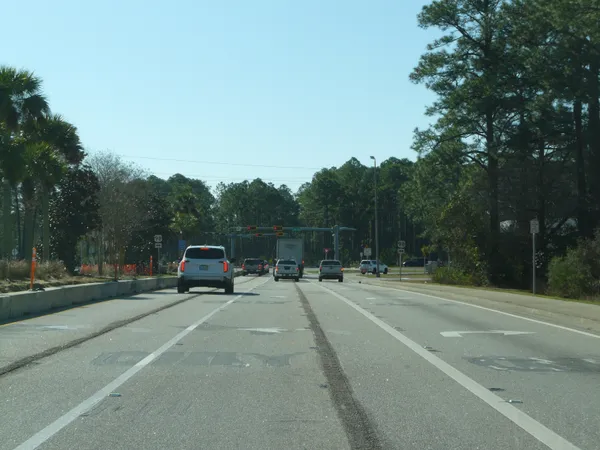
Signal installations expand alongside a broader intersection improvement program
Georgetown is advancing a set of traffic-signal additions and intersection upgrades aimed at improving safety and traffic operations on corridors experiencing sustained growth. The work includes temporary and permanent signals at several locations, as well as intersection redesigns tied to roadway widening and multimodal access.
City information on traffic-signal warranting shows intersections are evaluated through engineering and traffic studies that consider vehicle and pedestrian volumes, peak-hour demand, crash history, nearby roadway network conditions, the presence of schools and crossings, and how a new signal would coordinate with nearby signals. Funding for intersection improvements and new signals has been tied to Georgetown’s transportation bond programs, including the 2015 and 2021 bonds.
Signals “in the works” include locations on Williams Drive, Ronald Reagan Boulevard and Northwest Boulevard
Among the projects moving through planning or delivery are signals and signal-related construction at multiple intersections, including a temporary signal at Williams Drive and County Road 245 expected by late 2025, and a signal planned at Ronald Reagan Boulevard and County Road 245 expected in early 2026. Additional signal work listed in city planning materials includes Ronald Reagan Boulevard and FM 3405 with a target of mid-2027, and Northwest Boulevard and Lakeway Drive expected by summer 2026.
Separately, a school-district partnership is underway to deliver a new signal at Parkside Parkway and Texas Highway 29, structured to support safer turning movements for school buses in the area.
Intersection upgrades extend beyond signals to roadway geometry, medians and turn-lane changes
Georgetown’s intersection program also includes reconstruction and reconfiguration intended to reduce conflict points and manage turning movements. A prominent example is the intersection of Williams Drive and Bootys Crossing, where the city has moved to secure right-of-way needed for a redesign. The planned work includes widening a four-lane segment into a five-lane divided roadway with a raised median and revised left- and right-turn lanes, while maintaining shared-use paths on both sides for pedestrians and cyclists.
Traffic signals are typically installed after an engineering study determines they meet established warrant criteria, and can be delivered first as temporary installations when longer-term construction is still underway.
What residents should watch for next
- Short-term construction impacts near intersections receiving temporary signals or early utility work.
- Phased delivery timelines, with some signals targeted for early 2026 and others scheduled later as corridor projects progress.
- Potential changes to turning access and median openings where intersection upgrades include lane reassignments and raised medians.
The city’s approach combines signalization, intersection geometry changes and corridor upgrades, reflecting an effort to manage congestion and improve safety outcomes as development increases traffic demand across Georgetown’s west and north corridors.