Freeze-driven burst pipes hit Austin homes and buildings as crews brace for post-thaw repair surge
Winter cold exposes plumbing vulnerabilities across Austin
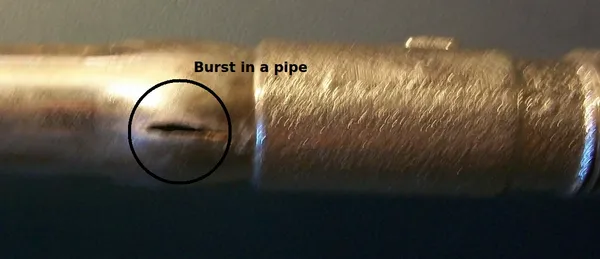
As freezing temperatures settled over Central Texas this week, Austin residents and property managers reported a familiar winter hazard: burst and leaking pipes triggered by frozen water expanding inside plumbing lines. The problem typically intensifies as temperatures rebound, when thawing ice reveals cracks that formed during the coldest hours.
City emergency and utility operations remained active as a precaution during the freeze event, while water and wastewater systems continued operating normally. Even with stable citywide operations, officials warned that frozen private-side plumbing can translate into customer calls that rise sharply once a sustained warm-up begins.
Why pipes fail in Austin during short, sharp freezes
Austin’s housing stock includes many structures not designed for long periods of subfreezing weather. When water inside pipes freezes, it expands and can build pressure behind ice blockages. That pressure can split copper, galvanized, or other rigid materials—often in unheated attics, exterior walls, crawl spaces, garages, and at outdoor hose connections. In practice, the visible damage frequently appears after the freeze, not during it.
Plumbers in the Austin area typically see higher call volumes during cold snaps, with residents seeking preventive steps or emergency repairs. Local guidance emphasizes that running water is less likely to freeze than still water, and that small changes in temperature—warm afternoons followed by sudden overnight drops—can complicate outcomes by repeatedly freezing and thawing vulnerable lines.
What city guidance emphasizes for households and renters
Municipal winter-weather messaging focuses on preparation steps that can limit damage and speed up response when leaks occur, particularly for customers responsible for plumbing on their side of the meter.
- Locate and keep access to the property’s main water shutoff valve before a freeze begins.
- Protect outdoor faucets and any exposed piping, especially in unheated spaces.
- Monitor for low pressure, no flow at faucets, or unexplained dampness—common early indicators of frozen or damaged lines.
- If a pipe bursts, shut off water promptly and address electrical risks if water is near outlets or appliances.
What typically happens next: the post-thaw surge
Utilities and repair crews often prepare for a wave of reports after temperatures rise and remain above freezing. That post-thaw period can bring a mix of issues: broken private plumbing, service-line leaks, and—when conditions are severe—water-main breaks that become more apparent once ice clears. City operations have indicated readiness for higher reporting volume if thawing exposes additional damage.
Residents are advised to treat the first full day of thaw as a key inspection window—checking under sinks, around water heaters, and in attics for small leaks that can quickly become major water damage.
Austin’s experience with winter weather has made pipe protection a recurring focus for homeowners, renters, schools, and facility managers alike. The coming days’ temperature trend—especially how long conditions stay above freezing—will likely determine whether this event remains localized to private plumbing failures or expands into broader repair demand.