Five years after the February 2021 Texas blackout, preparation has advanced but core risks persist
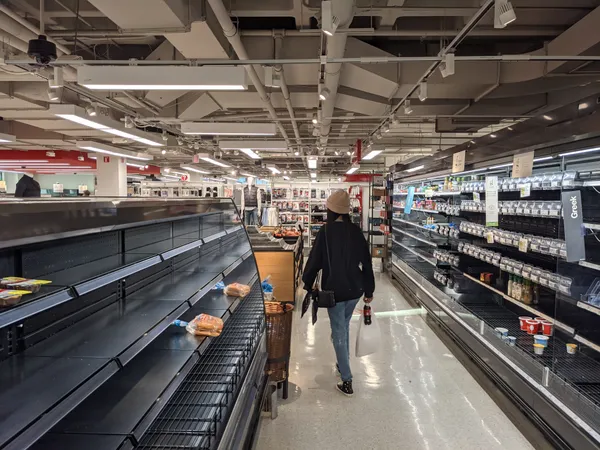
A familiar winter ritual, shaped by a four-day crisis
Five years after the statewide power failures that began on February 15, 2021, Texans continue to treat hard-freeze forecasts as a stress test of daily life. The 2021 event—triggered by Winter Storm Uri—left millions without electricity for days, with cascading impacts on heating, water systems, transportation and public health.
Since then, Texas has not experienced another grid-wide outage of comparable scale. Yet that record has come without a repeat of Uri’s combination of duration, geographic reach and deep cold—making it difficult to judge how the system would perform under a similar meteorological extreme.
What changed: enforceable winterization and tighter oversight
In the legislative response to Uri, Texas created new requirements aimed at keeping power plants and key infrastructure running during “weather emergencies.” The centerpiece was Senate Bill 3, enacted in 2021, which directed regulators to establish winterization standards, require inspections, and authorize significant administrative penalties for noncompliance.
Electric generators and transmission providers in the ERCOT region were placed under weatherization rules and an inspection-and-remediation process, designed to identify vulnerabilities before peak winter demand.
Regulators were also tasked with improving coordination across agencies and clarifying procedures for controlled load shedding—how outages are distributed if supply falls short.
During more recent cold snaps, the grid has stayed online statewide, and forecasting practices have shown signs of added caution, including conservative projections of demand and supply risk. Reliability analysts note that winterization mandates and compliance checks appear to have reduced the likelihood that large numbers of generators fail simultaneously in modest to moderate freezes.
What has not been solved: natural gas fragility and cost exposure
The most persistent technical concern remains fuel assurance. Texas relies heavily on natural gas for electric generation, and gas production and delivery have repeatedly shown sensitivity to extreme cold. When gas volumes drop at the same time power demand spikes, generators can be forced offline, regardless of their own winter readiness.
Economic exposure is another unresolved legacy of the 2021 event. Market prices surged during the crisis, and the financial aftershocks included billions of dollars in costs that were ultimately allocated through the system and continue to affect ratepayers through structured repayments and related charges.
The next test: rising demand meets tighter margins
Looking ahead, reliability assessments have warned that resource-adequacy risks are increasing across the country as electricity demand grows and older power plants retire. Texas faces its own demand surge from population growth and large new industrial loads, including data centers. Those trends tighten the margin for error during prolonged heat waves or a Uri-scale freeze.
Texas has moved from an era of voluntary winter readiness toward enforceable standards, but the grid’s “proof” will still depend on performance during an extreme, long-duration event.
For households and businesses, the practical takeaway is unchanged: preparations for cold weather—water protection, backup power planning, and emergency supplies—remain a rational response to a system that has improved, but has not yet been tested again at Uri’s scale.