ERCOT says Texas grid is prepared as Arctic front raises snow and ice risks statewide
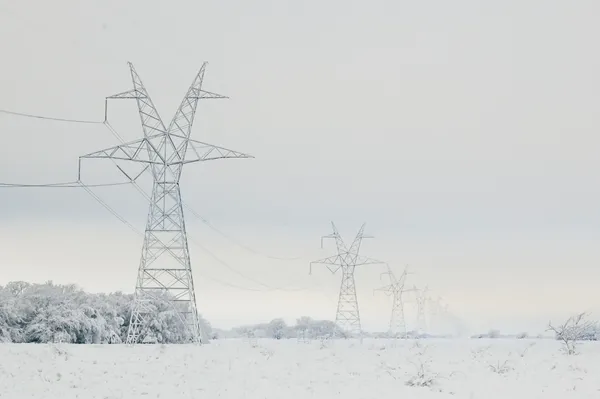
Winter system expected to test demand and local infrastructure
Texas grid operator ERCOT says the state’s bulk power system has sufficient generation and reserves to serve customers as a winter storm threat develops later this week. Forecasts call for an arctic front pushing into North Texas by Friday morning and spreading south through Central and South Texas by Friday evening, bringing a risk of freezing temperatures and wintry precipitation.
Meteorological outlooks indicate the most disruptive impacts could come from a combination of cold air and moisture, a setup that can produce snow in northern and western parts of the state and a wintry mix—sleet or freezing rain—farther south, including along parts of the Interstate 35 corridor and the Hill Country. In North Texas, temperature lows in the teens and 20s and a risk of freezing rain have been projected for the weekend, while parts of Southeast Texas could also see temperatures fall below freezing with precipitation chances.
What ERCOT is signaling—and what it is not
ERCOT’s public messaging around cold-weather events has centered on “Weather Watch” notifications—an early operational advisory used when significant weather could elevate electricity demand and reduce available reserves. A Weather Watch does not mean outages are expected, and it is not a request for customers to conserve power. Instead, it signals heightened monitoring and coordination with generation companies, fuel suppliers, and state agencies.
In prior cold snaps, ERCOT has emphasized that when outages do occur during winter weather, they may be driven by localized damage to distribution infrastructure—such as downed lines or ice-laden tree limbs—rather than a systemwide supply shortfall.
Why winter mornings matter for reliability
Grid stress often peaks on cold mornings when household heating demand rises while solar output is low and wind production can be variable. ERCOT’s operational planning typically focuses on ensuring adequate reserves during these hours, using real-time dispatch, market signals, and reliability tools to balance supply and demand.
Context: reforms since the 2021 freeze and remaining vulnerabilities
The current readiness assessments come against the backdrop of Winter Storm Uri in February 2021, when widespread generator outages, fuel constraints, and frozen equipment contributed to a severe supply shortage and prolonged blackouts across Texas. Since then, the state has pursued winterization standards and tighter operational coordination across electricity and natural gas systems. Recent seasonal outlooks from ERCOT have also projected a relatively low probability of emergency conditions under typical winter weather, while noting that an extreme, multi-day freeze can still elevate risk.
- Highest near-term risk: ice accumulation that can cause localized outages even when the bulk grid remains stable.
- Key timing: Friday into the weekend, with impacts dependent on the storm track and precipitation type.
- What to monitor: utility outage updates, local weather warnings, and ERCOT system conditions and alerts.
ERCOT’s position is that statewide generation should be adequate for the coming cold, while the most likely disruptions—if they occur—would stem from local line damage rather than a shortage of electricity supply.