Central Texas student walkouts highlight immigration enforcement fears as school districts stress safety and attendance rules
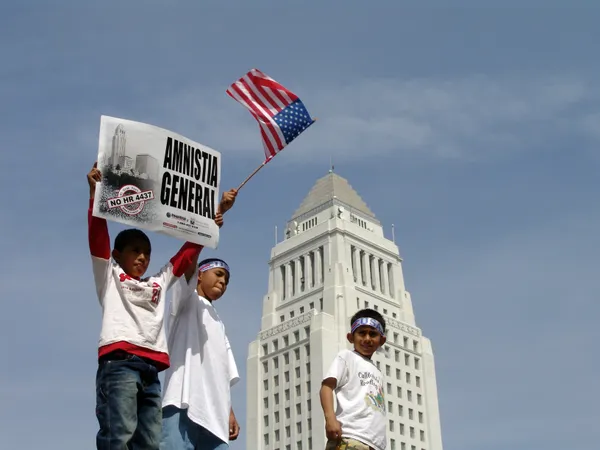
Walkouts spread across Central Texas amid anxiety over immigration enforcement
Students at schools across Central Texas have organized and joined walkouts in recent days, saying heightened immigration enforcement is spilling into classrooms through fear, disrupted routines and concerns about family separations. The demonstrations have coincided with a broader wave of protests and coordinated actions nationally, including walkouts timed around the one-year anniversary of President Donald Trump’s second inauguration on Jan. 20, 2026.
In the Austin area, school leaders have acknowledged community anxiety and reiterated that campuses are intended to remain safe learning environments for all students, regardless of immigration status. District communications have emphasized that staff are expected to follow established procedures for any law-enforcement request on campus while also connecting families with support resources.
What students say is driving the protests
Student organizers and participants have described difficulty concentrating in class and persistent worry about whether parents or relatives could be detained. In interviews given during Texas walkouts, students have framed the protests as a response to what they view as an expanded enforcement posture and the uncertainty it creates for mixed-status families and immigrant communities.
In multiple Texas cities, student groups have circulated calls for coordinated walkouts through social media. The stated aim has been to pressure public officials and institutions to limit cooperation with federal immigration authorities, and to draw attention to the perceived impact of enforcement activity on families and school attendance.
How districts are responding
School districts across the region have taken a similar baseline approach: acknowledging students’ right to civic expression while underscoring safety expectations and the consequences of leaving class without permission. Administrators have warned that students who walk out during instructional time can be marked absent and may face discipline under district codes of conduct and Texas attendance requirements.
Some districts have signaled that peaceful, on-campus expression can be accommodated when it does not disrupt operations or compromise safety. Others have stressed that students who leave campus may not be allowed to return to class the same day, a policy that can amplify academic consequences for participants.
Local policy debates add a separate layer
Beyond federal actions, walkouts in parts of Texas have also focused on local law-enforcement partnerships that expand cooperation with federal immigration authorities. In East Texas, for example, student protests have followed local government steps to pursue funding tied to immigration enforcement programs, a development that students and community advocates say increases the visibility and perceived reach of enforcement in daily life.
Key points students, families and schools are navigating
- Students report fear that immigration enforcement could lead to family separation, affecting attendance and focus in class.
- Districts are reiterating safety protocols and directing families to existing guidance and support resources.
- Attendance rules mean walkouts can carry academic and disciplinary consequences even when protests are peaceful.
- Local cooperation agreements and enforcement partnerships have become a focal point alongside national policy concerns.
Across Texas, students describe a shared anxiety: going to school unsure whether family members will be home when the day ends.
As additional walkouts are planned and campus leaders continue outreach to families, the coming weeks are likely to test how districts balance student expression, attendance enforcement and community trust amid a rapidly shifting immigration policy landscape.