Cedar fever is peaking across Central Texas: what it is, why it happens, and how to cope
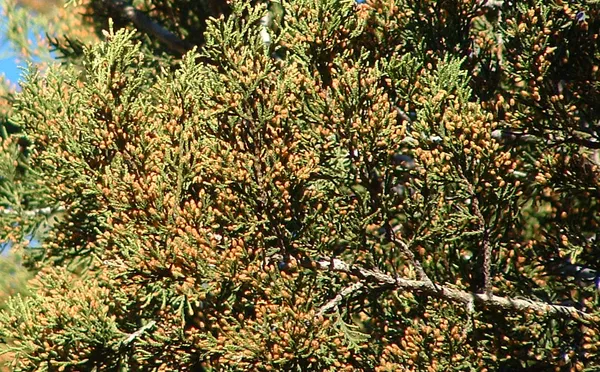
A winter allergy season driven by Ashe juniper pollen
“Cedar fever” is the common name for seasonal allergic reactions triggered largely by pollen from Ashe juniper trees—often called “mountain cedar” in Texas. While the nickname suggests an infection, cedar fever is not caused by a virus or bacteria. It is an immune response that can inflame the nose, eyes, and throat after pollen exposure.
Central Texas experiences some of the country’s most intense cedar season because Ashe juniper is widespread in the Hill Country, especially west of Interstate 35, and because the trees pollinate in winter rather than spring. The season typically runs from mid-December through February, with peak levels often occurring in January and sometimes extending toward early March depending on weather patterns.
Why pollen surges can be sudden—and widespread
Ashe junipers release pollen in bursts that are frequently associated with passing cold fronts. Dry air and gusty winds can lift and transport pollen over long distances, meaning symptoms can increase even for residents who don’t live near dense stands of juniper. Conversely, rain and higher humidity can temporarily reduce airborne pollen by knocking it down and dampening dust-like particles.
Health impacts are driven less by the inherent potency of the pollen and more by volume: when many trees release pollen at once, concentrations can become high enough to affect people who do not usually consider themselves allergy-prone.
Symptoms that overlap with colds and flu
Cedar fever commonly presents like upper-respiratory illness, which can complicate self-diagnosis during winter. Typical symptoms include sneezing, nasal congestion, runny nose, itchy or watery eyes, scratchy throat, cough, fatigue, and reduced sense of smell. A true fever is not typical for allergic rhinitis; when people report feeling “feverish,” it may reflect inflammation or a concurrent infection.
Cedar fever is an allergic reaction to pollen; persistent high fever, severe body aches, or rapidly worsening illness may suggest a viral infection or another condition requiring medical evaluation.
Practical steps residents use to reduce exposure
Track local pollen conditions and limit prolonged outdoor activity when counts are elevated.
Shower and change clothes after being outside to remove pollen from hair and skin.
Keep windows closed during high-pollen days and use clean HVAC filters; some households add HEPA air filtration in frequently used rooms.
Consider wearing a well-fitting mask for outdoor chores when symptoms are flaring.
When treatment or specialist care may be needed
Over-the-counter options commonly used for seasonal allergies include non-sedating antihistamines and steroid nasal sprays. Clinicians often advise starting medications before symptoms become severe, since some therapies work best when used consistently. People with asthma, recurrent sinus complications, or symptoms that interfere with sleep and daily functioning may benefit from evaluation by a primary-care clinician or allergist, including discussion of longer-term therapies such as immunotherapy.
As cedar season continues, short-term relief often depends on a mix of exposure reduction and appropriate symptom management, with weather shifts playing a major role in day-to-day severity.