Casar challenges Cornyn at Austin airport as TSA staffing strains grow amid DHS funding standoff
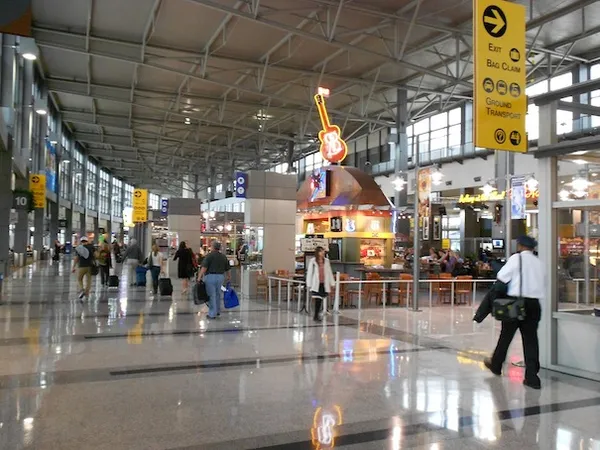
Confrontation at Austin-Bergstrom highlights federal funding dispute
U.S. Rep. Greg Casar, a Democrat whose district includes parts of Austin, confronted U.S. Sen. John Cornyn, a Republican, at Austin-Bergstrom International Airport (AUS) in a dispute centered on federal funding for the Transportation Security Administration (TSA). The exchange unfolded as travelers in Central Texas and across the country have faced extended security lines tied to a lapse in Department of Homeland Security (DHS) funding that began in mid-February 2026.
The disagreement reflects a broader impasse in Washington over DHS appropriations. With DHS not fully funded, TSA officers have continued working as essential employees while the agency and airports have warned of operational strain during peak travel periods.
What has changed for travelers
Austin-Bergstrom has recently advised travelers to arrive significantly earlier than usual when security screening capacity is constrained. Airport congestion has been amplified by seasonal demand, including spring break travel, and by the operational realities of running checkpoints when staffing levels are pressured.
At the federal level, Cornyn has publicly attributed long TSA wait times at Texas airports to congressional delays in advancing DHS funding. Casar has argued for keeping TSA operations functioning while opposing efforts to tie funding to immigration enforcement policy disputes.
DHS funding lapsed on Feb. 14, 2026, initiating a partial shutdown affecting DHS components, including TSA.
TSA officers are considered essential and have remained on duty, even as the funding lapse has intensified staffing and morale concerns.
Texas airports, including AUS, have experienced periods of unusually long screening lines during the lapse.
Political stakes extend beyond the checkpoint
The airport confrontation comes as Austin-Bergstrom simultaneously advances a multi-year expansion program designed to relieve passenger bottlenecks over the long term. In January 2026, AUS and airline partners finalized new use-and-lease agreements that establish a framework for airport operations and expansion over the next decade, including plans that feature a new centralized TSA checkpoint as part of a broader arrivals-and-departures hall redesign.
Those capital projects are separate from day-to-day TSA staffing and appropriations decisions, but the juxtaposition has placed a spotlight on how quickly operational disruptions can be felt by passengers even as major infrastructure improvements move forward.
The immediate issue raised by Casar’s confrontation with Cornyn is federal appropriations for DHS and TSA; the longer-term issue is whether planned terminal and checkpoint redesigns can keep pace with Austin’s passenger growth.
What to watch next
The timing of a congressional agreement to restore DHS funding will determine whether TSA pay and staffing pressures continue into the remainder of the spring travel season. Locally, AUS is proceeding with phased expansion projects aimed at increasing checkpoint capacity and improving passenger flow, though construction timelines and operational constraints may continue to overlap with peak-demand travel periods.