Austin’s weekly outdoor Scream Club brings structured group screaming to Pfluger Pedestrian Bridge gatherings
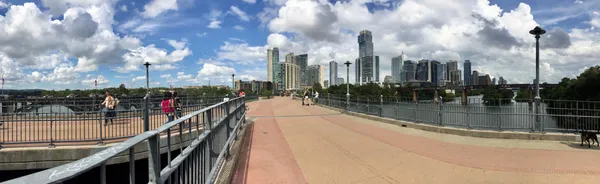
A new kind of meetup on Lady Bird Lake
Austin has joined a growing U.S. trend of organized “scream clubs,” with a recurring outdoor gathering at the James D. Pfluger Pedestrian Bridge downtown. The Austin chapter advertises the event as free to attend and structured as a short, guided group release that combines breathwork and collective screaming toward Lady Bird Lake.
Listings for the Austin meetup describe it as a weekly ritual on the pedestrian bridge near 222 West Ave., positioned as a social wellness activity where participants can attend without being required to speak about personal circumstances. Organizers also promote an optional post-event hangout for those who want to stay and socialize.
How the Austin session is organized
Event descriptions and chapter guidelines outline a consistent format: participants meet at a set time, begin with grounding and intention-setting, then take part in a group scream facing the water. The Austin meetup has been promoted as open to all ages, with the core gathering typically lasting under an hour.
- Meeting point: the James D. Pfluger Pedestrian Bridge area downtown
- Structure: brief grounding/breathwork, intention-setting, then a group scream
- Cost: promoted as free
Rules, safety guidance, and public setting
Organizers emphasize a set of conduct and safety expectations, including respect for other participants and a sober environment. Guidance shared in public-facing materials discourages filming other attendees without consent and advises participants to stay hydrated and take breaks if they begin to feel lightheaded. The materials also state that participants are not expected to scream at maximum volume and can adjust intensity to their comfort level.
The Austin chapter’s posted guidance frames the event as non-judgmental and focused on emotional release and connection, while cautioning that breathwork and loud vocalization can cause dizziness for some participants.
Austin’s chapter within a wider movement
The concept’s national profile has expanded since it began in Chicago and spread to multiple cities, including Austin. The broader movement is frequently described by organizers as distinct from formal mental health treatment, even as it borrows recognizable elements from earlier “primal scream” concepts associated with the late-20th-century self-help landscape.
Public discussion around scream clubs reflects two parallel dynamics: strong interest in low-barrier social wellness events, and skepticism about whether public, camera-friendly group activities translate into lasting benefits. Available organizer materials do not claim clinical outcomes; instead, they describe the events as a structured outlet for stress and a way to build community through a shared, time-limited ritual.
What remains unclear
Because the Austin chapter operates as an open meetup rather than a regulated service, key details can shift week to week, including exact scheduling, attendance size, and on-site practices. Organizers advise checking current event postings for updates, including cancellations related to weather or logistics.