Austin’s MLK Day march highlights civil-rights legacy amid disputes over Trump-era federal recognition policies
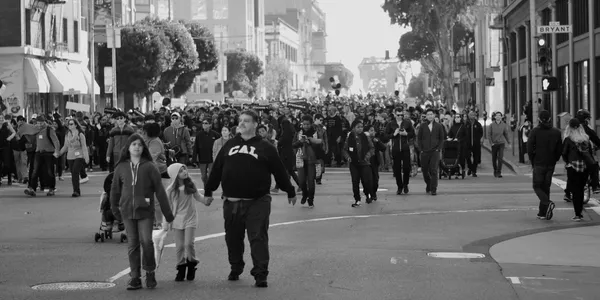
Thousands return to a long-running Austin tradition
Thousands of Austinites marked Martin Luther King Jr. Day on Monday, January 19, 2026, marching from the Texas Capitol to Huston-Tillotson University in a celebration framed by both remembrance and present-day civic debate. The event resumed after a two-year interruption caused by winter-weather cancellations, restoring a central annual gathering in the city’s public calendar.
Participants included families, students, community organizations and elected officials. Marchers and speakers repeatedly drew connections between the strategies of the Civil Rights Movement—particularly nonviolent protest and coalition-building—and contemporary political fights over voting access, immigration, reproductive rights and social services.
Speeches focused on continuity of the movement
At the Capitol, speakers emphasized that the day should be treated as more than a commemoration. State Rep. Sheryl Cole, an Austin Democrat, urged the crowd to treat the anniversary as a moment of renewed civic engagement and collective action, presenting King’s work as a continuing project rather than a closed chapter in history.
During the march and rally, attendees described the event as a public statement that King’s legacy remains relevant amid heightened polarization. Some participants carried signs and chanted in ways that linked current political disputes to civil-rights-era questions of equal protection, public accountability and access to opportunity.
National parks policy change surfaced as a flashpoint
One issue referenced by attendees was a recent change in the federal government’s national parks fee-free calendar. The updated schedule removes Martin Luther King Jr. Day and Juneteenth from the list of days offering free entry while adding June 14, which is both Flag Day and President Donald Trump’s birthday. The new policy takes effect January 1, 2026.
For some marchers, the calendar shift became a symbol in a broader dispute over how the federal government recognizes civil-rights history. Individuals interviewed at the event said they viewed the change as diminishing the public prominence of holidays associated with Black history and the struggle for equal rights.
Community service remained part of the day’s message
Organizers and speakers also highlighted service as a practical expression of the holiday’s themes. Participants were encouraged to bring canned goods for the Central Texas Food Bank, echoing King’s focus on poverty and hunger alongside civil and political rights.
- Route: Texas Capitol to Huston-Tillotson University
- Resumption: first local MLK Day march since 2024 cancellations tied to winter weather
- Civic focus: voting rights, immigration, reproductive rights and social supports featured prominently in attendee remarks
Speakers and marchers repeatedly framed the day as both a tribute to King’s leadership and an assertion that civil-rights advocacy remains active in Austin’s civic life.