Austin’s February weather starts warm and dry, but history shows wide temperature and snow extremes
Early February feels springlike, but the city’s records show February can flip fast
Austin entered February 2026 with a run of mild, mostly dry weather that has pushed daytime temperatures above seasonal averages. At Camp Mabry, a key long-running climate site for the city, the daily climate summary for Feb. 6 recorded a high of 83 degrees with no measurable rainfall that day. That 83-degree high also matched the site’s daily record for Feb. 6, previously set in 1925.
While early-month warmth is not unusual, Austin’s climate history shows February is one of the most variable months of the year, capable of producing conditions that resemble both midwinter and midsummer within the same 28-day span.
How extreme can February get in Austin?
Hottest February day: 99 degrees on Feb. 21, 1996 (Camp Mabry).
Coldest February low: 1 degree below zero on Feb. 12, 1899 (Camp Mabry).
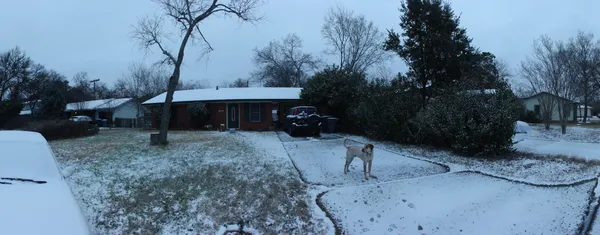
Largest daily snowfall (February): 5.4 inches on Feb. 15, 2021 (Camp Mabry).
Warmest February overnight low: 72 degrees on Feb. 5, 1911 (Camp Mabry).
February is typically Austin’s driest month, but it’s also the month most likely to bring snow
Climate normals for 1991–2020 at Camp Mabry place February’s average monthly rainfall at 1.89 inches, among the lowest monthly totals of the year. Even so, February is also the only month in which Austin typically averages measurable snowfall, reflecting the occasional reach of arctic air into Central Texas.
February’s track record in Austin includes both near-triple-digit heat and snow events capable of disrupting travel and infrastructure.
What the early warmth does—and does not—signal
Early-February warmth can develop when persistent southerly winds bring in milder air from the Gulf region, elevating afternoon highs and keeping overnight lows higher than normal. However, the same month can also feature sharp reversals when strong cold fronts arrive, dropping temperatures rapidly and, in rare cases, setting the stage for freezing rain, sleet, or snow.
The takeaway from Austin’s record book is straightforward: a warm and quiet start to February does not preclude a late-month cold outbreak, nor does it guarantee sustained springlike weather. In a city where the monthly record high is 99 and the monthly record low is below zero, February remains a period of outsized swings—and planning for that range is part of living through a Central Texas winter.