Austin shooting response delayed briefly after Waymo robotaxi blocked ambulance, raising oversight and safety questions
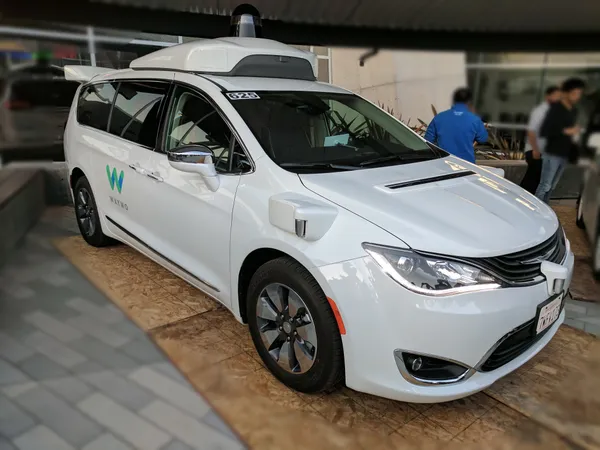
Autonomous vehicle incident adds scrutiny to emergency access during downtown Austin crisis
A driverless Waymo vehicle briefly obstructed an Austin-Travis County EMS ambulance responding to the March 1, 2026 mass shooting on West Sixth Street, an episode that has intensified questions about how self-driving systems behave in fast-changing emergency scenes.
The shooting unfolded near Buford’s Backyard Beer Garden around 2 a.m. Police and paramedics were dispatched at approximately 1:59 a.m., and medics and officers began treating patients within about a minute of the first call. City officials later described an overall response that moved quickly despite a chaotic scene spanning multiple blocks of the entertainment district.
What the video shows and what officials have confirmed
Footage shared widely online appears to show a Waymo robotaxi stopped across both lanes as an ambulance approaches with lights activated, forcing the ambulance to pause and then redirect. Austin-Travis County EMS confirmed that a driverless vehicle “briefly interfered” with access for one ambulance during the initial response.
In the same footage, a police officer approaches the vehicle and appears to use a phone to access information on the car’s exterior before the vehicle is moved out of the travel lane. Officials have said the brief blockage did not change the overall outcome of the response, while also acknowledging the interference occurred during an active, time-sensitive emergency.
Why the moment matters for autonomous-vehicle operations
The incident has focused attention on the procedures autonomous-vehicle companies provide to first responders, including how law enforcement and EMS can quickly identify a vehicle, contact support, and clear a path when seconds matter. Self-driving vehicles are designed to behave cautiously around hazards, but emergency scenes can combine conflicting cues—blocked lanes, pedestrians moving unpredictably, emergency lights, and police instructions—that are difficult for automated systems to interpret.
Waymo and other autonomous operators use remote assistance frameworks intended to help vehicles resolve unusual situations. These systems generally provide guidance rather than direct, continuous driving control, and they rely on rapid communication between the vehicle, remote support personnel, and responders on the ground.
Regulatory and local policy questions emerging in Austin
The Austin incident is prompting renewed examination of how cities and states ensure autonomous fleets can be integrated into emergency management. Key issues include standardized responder training, consistent external markings or access points, and clear protocols for quickly relocating a stopped vehicle without delaying lifesaving care.
- How quickly first responders can reach an operator or support team during a critical incident
- What authority responders have to move or disable an unmanned vehicle blocking a roadway
- Whether additional geofencing or no-go zones are needed around high-density nightlife corridors during peak hours
- How performance in rare “edge cases” is measured and reported to regulators and the public
Emergency scenes often require immediate, unambiguous roadway access; even brief obstructions can create operational risk when multiple victims need rapid triage and transport.
As Austin continues to host autonomous vehicles on public streets, the West Sixth Street episode is likely to remain a reference point in ongoing discussions about safety assurances, transparency around incident handling, and the real-world readiness of driverless systems during crises.