Austin rents fell for years amid a building boom; fewer new apartments could reverse it soon
A renter-friendly moment, driven by new supply
Austin entered 2026 with rents notably softer than in most large U.S. metros, after an unusually long stretch of year-over-year declines. Recent market snapshots have put typical asking rents for smaller units in the high-$1,300s, following multiple consecutive months of decreases that began in 2023 and continued through late 2025 and into early 2026.
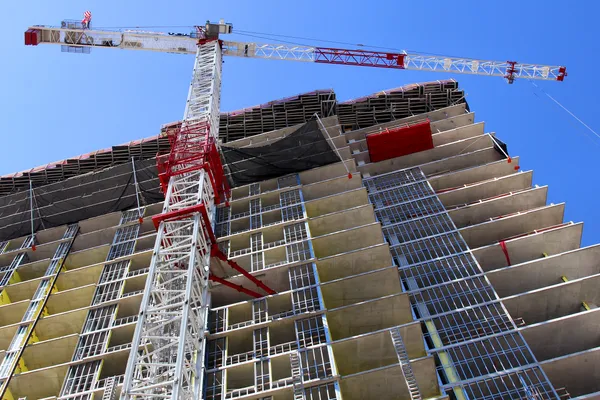
The central mechanism behind the slide has been a large wave of new multifamily supply delivered after pandemic-era demand surged. As thousands of newly built units competed for tenants, landlords increasingly leaned on price cuts and concessions to maintain occupancy, reshaping the balance of power toward renters.
Why the “cheap” phase may be temporary
Several indicators now point toward a potential pivot: the pace of future apartment construction is slowing, even as the region continues to add jobs and attract new residents. Building costs and financing conditions have weighed on new starts nationally, and local data show permitting and the development pipeline cooling from the peak years that helped bring rents down.
Industry market reports tracking deliveries, absorption, and vacancy in the Austin-Round Rock area describe late 2025 as a period of stabilization rather than continued deterioration. Deliveries were lower than a year earlier in some quarterly tallies, and forecasts commonly anticipate that demand will begin to catch up to new supply as fewer projects reach completion in 2026.
What would make rents rise again
A rent rebound is not automatic, but it becomes more likely if multiple conditions align at once:
- Supply pullback: Fewer apartment completions can reduce competitive pressure among landlords once current lease-up inventory is absorbed.
- Demand resilience: Continued in-migration and job growth can lift occupancy, particularly in neighborhoods with strong amenities and transit access.
- Operating-cost pressure: Property taxes, insurance, and maintenance costs can push owners to seek higher effective rents when market conditions allow.
What to watch through 2026
For renters, the near-term market is still shaped by elevated vacancy in many submarkets and a sizable number of units in lease-up. The key question is timing: how quickly that remaining new inventory is absorbed relative to the shrinking pipeline of future deliveries.
In practical terms, the same force that made Austin one of the country’s most renter-friendly big-city markets—an outsized supply surge—could set the stage for firmer rents later if construction slows faster than demand.
Signs of a turning point would likely include fewer concessions, faster lease-up at new properties, and sustained month-to-month increases that persist beyond seasonal patterns.
Humid Heat and Thunderstorm Risks Define Austin's Thursday Outlook