Austin ranks 12th nationwide in 2026 WalletHub Valentine’s Day study, leading all Texas cities
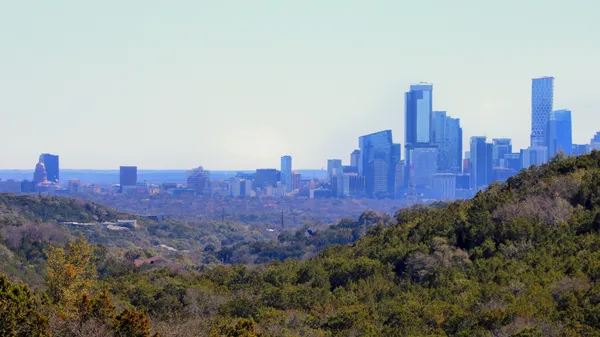
Austin places in the national Top 15
Austin was ranked the No. 12 city in the United States for celebrating Valentine’s Day in a 2026 analysis that compared 100 of the country’s largest cities across cost and date-night practicality. Within Texas, Austin placed highest among the cities evaluated, finishing ahead of Houston, Plano, Dallas and San Antonio.
The ranking is part of an annual city-by-city scorecard built around four broad categories: budget, activities, gift accessibility and a weather-forecast component. Austin’s overall score placed it just outside the national top 10, in a cluster that included major metros such as Washington, D.C., Chicago and Orlando.
How the study measures “best cities”
The evaluation uses 25 separate indicators intended to capture how easy it is to plan and execute a Valentine’s Day outing without outsized costs or limited options. The metrics include common spending pressure points for the holiday—such as dining and beverage prices—along with measures of supply, including the per-capita availability of florists and other gift-related retailers, plus entertainment and date-activity density.
Budget: costs tied to dining, drinks and related date-night expenses.
Activities: breadth of date options, including restaurants and entertainment venues.
Gift accessibility: availability of retailers and services commonly used for Valentine’s gifts.
Weather forecast: a forward-looking component reflecting anticipated conditions around the holiday period.
Austin’s category performance
Austin’s placement was supported by mid-to-high category rankings rather than a single dominant strength. In the component breakdown, Austin ranked 17th for affordability, 17th for activities and 17th for gift accessibility. Its weakest component was the weather-forecast category, where it ranked 81st, reducing its overall score compared with cities that posted stronger weather marks.
Austin’s composite standing reflects a balance of cost control and variety: relatively competitive affordability, a broad set of date activities, and accessible gift-shopping options—offset by a weaker weather-forecast score.
National leaders and Texas comparisons
Nationally, the highest-ranked cities included San Francisco (No. 1), Seattle (No. 2) and San Diego (No. 3). Other cities in the national top tier included Las Vegas, Denver, Atlanta, Scottsdale, Pittsburgh, Honolulu and Portland.
Within Texas, Austin led the statewide pack, with Houston and Plano also placing in the national top 25. Dallas and San Antonio appeared farther down the list, indicating wider variation among large Texas metros on the same set of affordability, activity and gift-availability measures.
Holiday spending context
The ranking arrives amid expectations of record U.S. Valentine’s Day spending in 2026, with total outlays projected in the tens of billions of dollars. The study’s structure—especially its budget and gift-accessibility metrics—frames the holiday as a combination of consumer costs and practical availability, rather than a subjective measure of “romance.”
For Austin, the result positions the city as a consistently high performer on the logistics of Valentine’s Day—an outcome driven more by options and affordability than by any single signature attraction.