Austin police investigate early-morning central Austin traffic death as 2026 roadway fatalities continue to rise
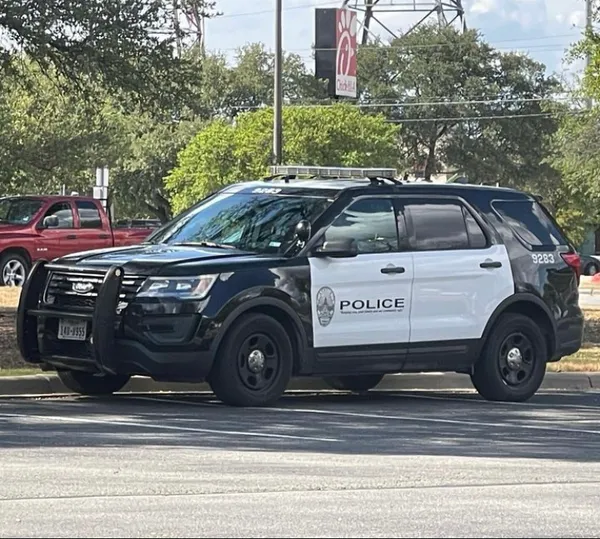
What happened
Austin police are investigating a fatal traffic incident that occurred in central Austin in the early hours of the morning. The event is being handled as an active fatal-crash investigation, a category that typically triggers a specialized response focused on documenting evidence, reconstructing the sequence of events and identifying contributing factors such as speed, roadway conditions, driver behavior and visibility.
In a separate, confirmed early-year fatality that underscores the pace of deadly incidents on Austin roads, officers responded at 2:20 a.m. on Sunday, January 4, 2026, to a single-vehicle collision in the 600 block of East Koenig Lane. The driver, identified as 23-year-old Trent Michael Ulloa, was pronounced dead at the scene. The case was logged as the city’s second fatal crash of 2026.
Recent confirmed fatal crashes shaping the 2026 picture
Available public safety reporting from early January shows multiple fatal incidents occurring overnight and in corridors with significant vehicle volumes and complex access points.
Thursday, January 1, 2026 (9:26 a.m.): A single-vehicle crash in the 2400 block of West Ben White Boulevard service road westbound resulted in the death of 43-year-old Nickolas Paul Marchioni. He was transported to a hospital and later pronounced dead.
Sunday, January 4, 2026 (2:20 a.m.): A single-vehicle crash on East Koenig Lane resulted in the death of Trent Michael Ulloa, who was pronounced dead at the scene.
Monday, January 5, 2026 (2:02 a.m.): Officers responded to a vehicle-pedestrian collision in the 900 block of East Koenig Lane. The pedestrian was pronounced dead at the scene, and the vehicle involved left the area.
Sunday, January 18, 2026 (3:42 a.m.): A pedestrian was struck and killed by a motor vehicle in the 8000 block of the North Interstate 35 southbound service road. Police said the driver remained at the scene and cooperated.
What investigators typically look for next
In fatal-crash investigations, police generally work to establish a timeline, confirm the identities of involved parties when possible, document vehicle damage and roadway evidence, and determine whether enforcement actions are warranted. In some cases, investigators also issue public requests for witnesses, dash-camera footage, or video from nearby businesses and residences.
Investigations in the first hours after a fatal crash often remain preliminary, and key details can change as evidence is reviewed and next-of-kin notifications are completed.
The investigation into the central Austin death remains ongoing, and additional facts are expected as authorities complete scene analysis and follow-up interviews.