Austin police ask public to help locate missing older adult as welfare concerns prompt urgent search
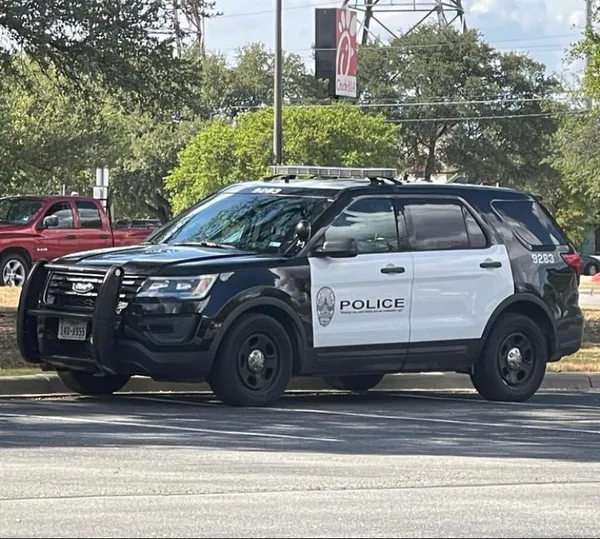
Missing persons unit issues public request
Austin police are asking the public for assistance in locating an older adult reported missing in the city, citing health-related concerns that elevate the urgency of the search.
The Austin Police Department’s Missing Persons Unit said the man was last seen on Sunday, January 18, 2026, at about 6:30 p.m. in the 600 block of Radam Lane. Investigators said his health conditions have prompted concern for his immediate welfare.
Description and last known clothing
Police identified the missing person as Ramon Gonzalez Almager, 82. He is described as Hispanic, about 5 feet 10 inches tall and approximately 180 pounds, with gray hair and brown eyes. Detectives said he walks with a limp, uses a cane, and is a Spanish speaker.
He was last seen wearing a brown jacket, a red shirt, and blue jeans.
- Last seen: Sunday, January 18, 2026, around 6:30 p.m.
- Location: 600 block of Radam Lane, Austin
- What to do: Call 911 if you see him
How public tips can help—and what police are asking
Authorities are urging anyone who believes they have seen Gonzalez Almager to call 911 immediately so officers can respond in real time. Police have emphasized rapid reporting as a key factor in missing-person searches involving older adults with health risks, where time and accurate location details can shape search tactics.
Police are asking anyone who sees the missing man to call 911 immediately.
Broader context: recurring calls for help in endangered adult cases
The request in Austin comes amid recurring public alerts in Central Texas involving older adults whose disappearance raises safety concerns. In recent months, Austin-area law enforcement agencies have repeatedly relied on community awareness, timely calls, and detailed descriptions to help locate missing individuals, particularly when cognitive or medical issues are involved.
Officials continue to stress that members of the public should not attempt to intervene physically. Instead, they should report sightings with as much detail as possible, including the person’s direction of travel, current location, and any distinguishing clothing or mobility aids.
The investigation remains active.