Austin park vehicle break-ins fell sharply during camera trailer pilot, prompting debate over privacy safeguards
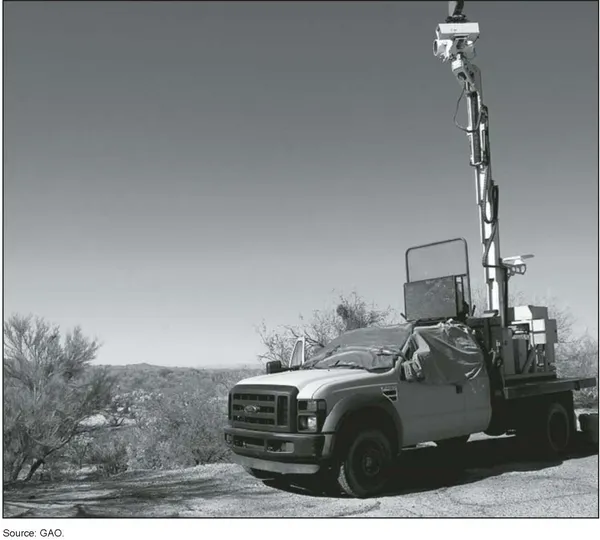
A pilot response to persistent thefts at popular trailheads
Austin officials say a camera trailer pilot program deployed at selected park locations coincided with a steep decline in reported vehicle break-ins, a category often tracked as burglary of vehicle offenses. The program emerged after repeated reports of smashed windows and stolen property at trailheads and scenic overlooks, where visitors typically leave cars unattended for extended periods.
City materials describing the pilot characterize it as a targeted deployment based on historical police data, focused on sites with elevated break-in counts. The same materials report that incidents at Mount Bonnell (Covert Park) dropped from 373 cases to 88 during the pilot period. Overall, the city’s pilot summary reports a 76% reduction in burglary-of-vehicle incidents, with 9 out of 15 participating park locations showing improvement.
How the camera trailers were intended to work
The pilot relied on mobile, high-visibility security trailers equipped with cameras, designed to function both as a deterrent and as a tool for documenting crimes. In earlier phases of the city’s broader effort to address park break-ins, officials also emphasized prevention steps for visitors—locking doors, hiding valuables, and parking in visible areas—alongside increased patrols and added signage in certain locations.
In parallel with park-focused efforts, Austin has navigated a larger citywide debate over surveillance technologies. In 2025, city leaders ended a police license plate reader program after an audit raised data governance and privacy concerns, underscoring heightened public scrutiny of camera-based approaches even when tied to public safety goals.
Measuring results—and the limits of what current data can prove
The reported reductions align with the city’s stated objective: decreasing break-ins at high-risk park parking areas. However, the available public summaries do not fully resolve questions central to policy evaluation, including whether crime displaced to nearby lots, shifted to different time periods, or fell due to other concurrent measures such as patrol patterns, investigations, or seasonal visitation changes.
Separately, police announced arrests in 2025 connected to a series of park vehicle break-ins, indicating that enforcement actions were also underway during the period when the city expanded attention to the problem.
Privacy and governance questions shape next steps
City materials describing the pilot emphasize privacy controls, including city ownership and control of footage. Even so, the broader Austin debate over surveillance tools has centered on how video or location-linked data is stored, who can access it, how long it is retained, and whether it can be shared beyond its original purpose.
The pilot’s reported outcomes suggest deterrence can be achieved at certain sites.
Future expansion decisions are likely to hinge on clearer performance metrics and written privacy and access rules.
Residents’ expectations for safety at parks will continue to be weighed against demands for limits on surveillance.
Austin’s park safety strategy now sits at the intersection of measurable crime reduction claims and ongoing governance debates over camera-based monitoring.