Austin opens emergency overnight cold weather shelters Monday night as forecasts trigger expanded winter safety operations
Emergency shelter activation follows forecast-based thresholds and coordinated transportation
The City of Austin is opening emergency overnight cold weather shelters Monday night as temperatures are expected to fall to levels that meet the city’s activation criteria. The overnight program is designed primarily for people experiencing homelessness, but it is available to anyone who needs a warm place to sleep during hazardous cold.
Austin’s approach relies on a forecast-driven trigger tied to expected overnight conditions, a policy shift intended to make activations more predictable and frequent during winter cold snaps. In recent seasons, the city has used the National Weather Service forecast for the Camp Mabry area as the baseline for deciding when to open shelters, generally announcing activation in advance to allow time for staffing, transportation and partner coordination.
How the Monday night intake process works
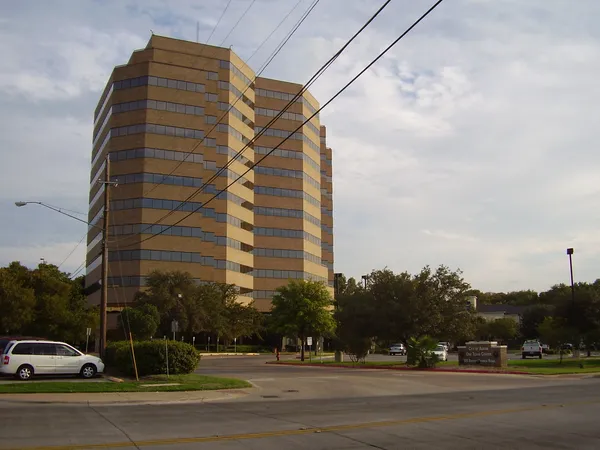
When shelters are activated, the city uses One Texas Center as the centralized intake and staging location for registration and transportation to overnight sites. Registration is typically scheduled during an early-evening window, with transportation arranged afterward to move guests from the intake point to operating shelters.
- Central intake location: One Texas Center, 505 Barton Springs Road
- Typical registration window: 6–8 p.m. on activation nights
- Transportation: Coordinated trips from the intake site to overnight shelter facilities
Operations are run through city departments responsible for emergency response and homelessness strategy, with shelter staffing and on-site services supported through local partnerships. The model is intended to streamline entry, consolidate transportation, and reduce confusion about where to go when conditions deteriorate quickly.
What cold-weather sheltering is intended to prevent
Cold exposure can become life-threatening even when temperatures hover above freezing, particularly for people sleeping outdoors, older adults, and residents with limited access to heat. City activations aim to reduce immediate risks such as hypothermia and other cold-related medical emergencies by offering indoor overnight capacity during the most dangerous periods.
During prolonged cold events, the city has at times shifted from overnight-only activations to longer-duration sheltering, including modified schedules intended to keep people indoors for extended periods when repeated nights of extreme temperatures are forecast.
Warming centers versus overnight shelters
Austin’s cold-weather response typically includes both daytime warming options and overnight sheltering. Warming centers provide a place to get out of the cold during the day, while overnight cold weather shelters focus on sleeping accommodations and nighttime safety. When severe conditions persist, the city may expand hours, add locations, or adjust operations to match anticipated demand and resource constraints.
For residents assisting others, the city’s winter operations emphasize getting people to the central intake location during the registration window whenever overnight shelters are activated.
The city’s emergency communications channels and hotline messaging are used to confirm activation status, intake times, and operational adjustments, including any after-hours contingencies during severe weather.