Austin Housing Department details strategy to build affordable homes on vacant city-owned land parcels citywide
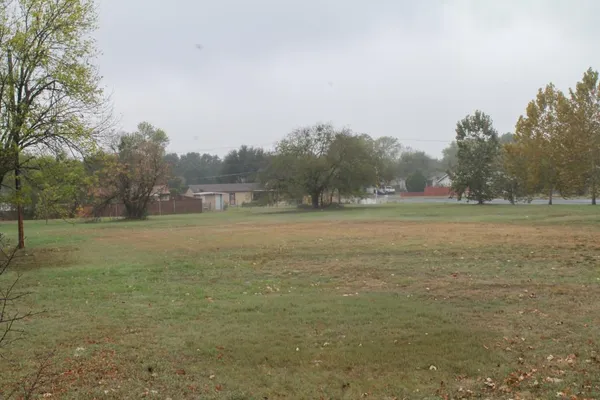
City-owned land emerges as a key lever for affordability
Austin officials are refining how the city uses vacant, publicly owned land to produce income-restricted housing as the community’s affordability gap persists even amid ongoing development. The approach centers on identifying suitable city-controlled parcels, preparing them for housing, and pairing them with development partners and long-term affordability mechanisms.
The work is unfolding against the backdrop of Austin’s Strategic Housing Blueprint, a 10-year framework adopted in 2017 that set a goal of creating 60,000 affordable housing units for households earning below 80% of median family income. The city’s current housing planning horizon runs through 2027, and officials have begun laying groundwork for the next decade of policy and investment priorities.
What the city is trying to solve
City leaders have increasingly emphasized that controlling land is central to controlling long-term housing costs. Over the past several years, Austin has acquired and held properties intended for affordable housing, including land purchased with bond funding and other city resources. Some sites have moved slowly from acquisition to construction, a dynamic city housing leaders have attributed to capacity constraints, community process requirements, and the complexity of financing deeply affordable projects.
- City-owned parcels can remove or reduce land-cost pressures that often make affordable projects financially unworkable.
- Public ownership can support long-term restrictions that preserve affordability beyond typical compliance periods.
- Vacant land can be positioned for housing near services, jobs, and planned transit investments, but often requires upfront planning and infrastructure coordination.
Tools under consideration: land banking and community land trusts
Austin has been expanding its use of land banking and community land trust models as part of a broader affordability strategy. Land banking generally refers to acquiring and holding land for future public purposes. Community land trusts separate ownership of the home from the land beneath it, allowing the land to remain in trust so that resale and pricing rules can keep homes affordable across multiple generations.
In policy discussions and internal planning, housing officials have characterized land banking as foundational to future affordability. They have also documented that expanding community land trust production requires substantial per-unit subsidy. The city’s affordable housing entity has acquired more than 100 acres for affordable housing development since 2018, including parcels in areas tied to planned high-capacity transit.
For the city, the central question is not only how many units can be built on public land, but also how quickly sites can move from being owned to being homes.
How the strategy connects to other housing policies
The vacant-land strategy is advancing alongside broader land-use and housing-supply changes, including the HOME code amendments that expanded the range of housing types allowed in areas previously limited to single-family zoning. City officials have also continued using housing finance tools to support projects across multiple council districts, with tens of millions of dollars approved in recent funding rounds and hundreds of units planned to come online over the next several years.
What comes next
As council receives additional briefings on vacant city land and affordable housing pipelines, the next steps are expected to focus on parcel selection criteria, delivery timelines, and whether the city should scale up staffing and subsidy levels to accelerate development. Key implementation decisions include how to balance speed, neighborhood engagement, and the level of affordability targeted—particularly for households below 60% of median family income, where financing gaps are typically widest.