Austin gas prices climb sharply in one week as national averages rise and oil markets tighten
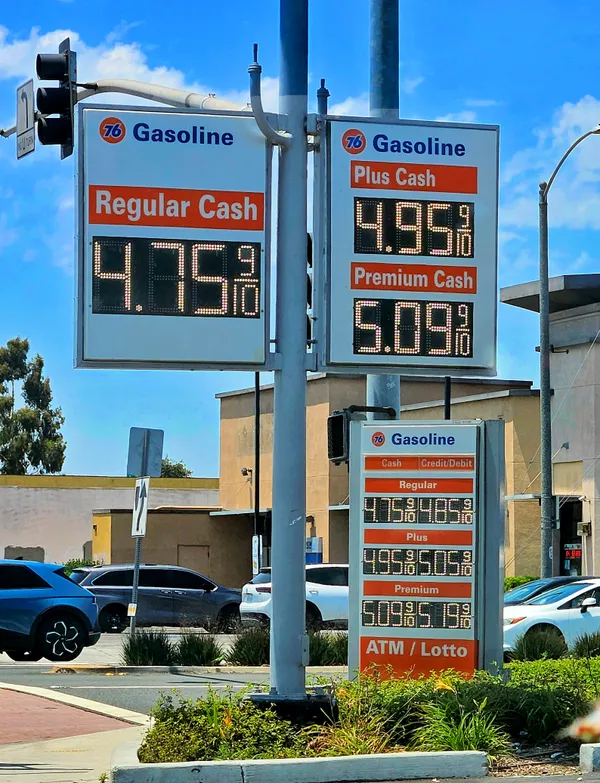
Weekly jump pushes Austin’s average above $3 per gallon
Drivers in Austin are paying markedly more at the pump than they were a week ago, reflecting a broader upswing in U.S. gasoline prices that has accelerated in early March. The latest citywide average for regular gasoline in Austin is about $3.16 per gallon, up roughly 53 cents from last week’s average of about $2.63.
The increase stands out both for its size and speed. Week-to-week price changes of this magnitude typically indicate a fast-moving shift in wholesale fuel costs and rapid pass-through to retail stations, especially in large metro areas where competition can produce frequent price resets.
How Austin’s move fits into the national picture
The local jump arrives as the national average for regular gasoline has been rising week over week in early March, with national benchmarks moving into the low-to-mid $3 range. National data releases and market commentary during the first week of March pointed to a combination of higher crude prices and tightening conditions in gasoline supply chains that can lift wholesale costs quickly.
In Texas, state-level averages have also trended higher during the same period, though local metro areas can diverge based on regional distribution costs, station density, and timing differences in fuel deliveries. Retail prices tend to respond unevenly: some locations adjust within days, while others reflect changes after selling through existing inventory.
Key factors that commonly drive rapid pump-price changes
Crude oil price swings: Gasoline prices are closely tied to crude, and abrupt moves in oil markets can raise wholesale costs quickly.
Seasonal gasoline transition: Late winter into spring often coincides with refinery and distribution changes that can increase costs, including the switch toward summer-grade gasoline specifications.
Refinery utilization and outages: Maintenance schedules or unplanned disruptions can constrain supply and widen margins between crude and retail gasoline.
Regional logistics: Pipeline, terminal, and trucking capacity—along with local demand—can amplify price changes in specific metro areas.
What consumers may see next
Near-term pump prices in Austin will likely depend on whether wholesale gasoline and crude benchmarks stabilize or continue climbing. Even if upstream prices ease, retail declines can lag due to the timing of station replenishment and competitive pricing dynamics. Conversely, if wholesale costs rise further, additional increases can reach retail signs within days.
Gasoline prices can move quickly when wholesale costs rise sharply, but retail decreases often appear more gradually as stations cycle through higher-cost inventory.
For Austin-area drivers, the practical outcome is a higher weekly fuel bill for commuting and deliveries, with price differences between nearby stations becoming more consequential when the market is volatile.