Austin firefighters battle second-alarm blaze at abandoned apartment building in southeast Austin; no injuries reported
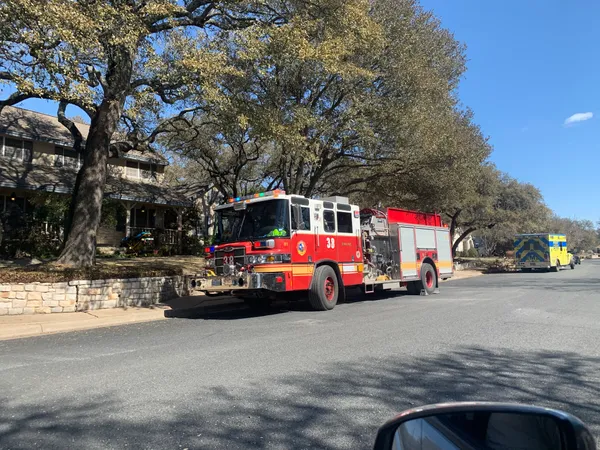
Fire crews respond to vacant multifamily structure
Austin firefighters responded to a structure fire at an abandoned apartment property in southeast Austin, with the incident upgraded to a second-alarm response as crews worked to stop fire spread through multiple floors. Officials reported no injuries.
The building was described by fire officials as a two-story apartment structure that was unoccupied at the time of the response. A second-alarm designation indicates that additional personnel and equipment were dispatched beyond the initial assignment, a step commonly taken when a fire is extensive, difficult to access, or threatens to spread within a structure.
What second-alarm conditions can signal in vacant-building fires
Fires in vacant multifamily buildings can develop quickly, especially when interiors are open or compromised. Missing doors, broken windows, and deteriorated walls can increase airflow, accelerating burning and complicating suppression. In such conditions, firefighters may prioritize defensive tactics—limiting exposure and fighting the fire from safer positions—until hazards such as weakening floors, roof instability, or heavy fire involvement are reduced.
- Vacant structures may have limited compartmentation, allowing flames to spread across units and floors.
- Unsecured properties can attract unauthorized entry, increasing the chance of accidental ignition sources and delayed detection.
- Structural decay can elevate collapse risk, affecting how crews position lines and conduct interior searches.
Community impacts: smoke, traffic, and nearby risk
Even when a building is empty, large structure fires can affect surrounding neighborhoods through smoke conditions, temporary traffic disruptions, and the potential for embers to carry beyond the fire footprint. In recent Austin-area incidents involving large residential or residential-construction fires, fire officials have used precautionary measures such as road closures and, when warranted, public-safety notifications to residents in adjacent areas.
Investigation and next steps
The cause of the southeast Austin abandoned-apartment fire had not been publicly confirmed at the time of reporting. In structure fires, investigators typically assess ignition sources, building access points, and evidence of accidental versus intentional causes. In cases involving vacant properties, investigators may also examine whether the building had prior code-enforcement actions, whether it was secured, and whether there were indications of recent entry.
Officials reported that no injuries were associated with the response.
Fire officials have not released a timeline for when the scene would be fully cleared, or whether the property will face additional safety actions following the incident.