Austin-Bergstrom airport cancels more than 200 flights after winter storm disrupts regional airline networks
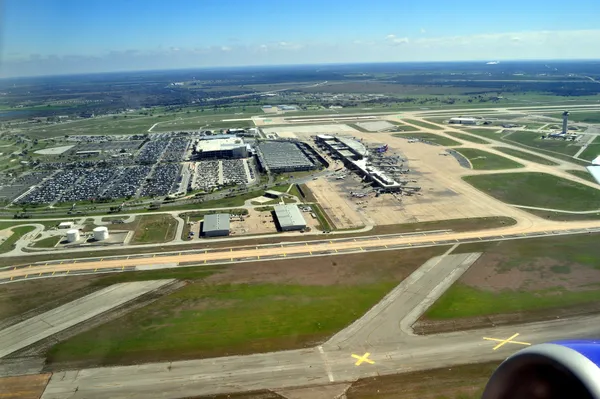
Winter weather triggers widespread disruption at Austin’s main airport
More than 200 flights were canceled at Austin-Bergstrom International Airport (AUS) as a major winter storm disrupted air travel across Texas and much of the United States. The airport remained open, with officials reporting the runway stayed operational even as cancellations mounted through the day and were expected to extend into the following day.
The scale of disruption at AUS reflected a broader breakdown in airline schedules nationwide. Over the same weekend period, flight-tracking totals across the U.S. climbed into the many thousands of cancellations, with major hubs in the storm’s path reporting extensive impacts. The storm system brought a combination of ice, snow and extreme cold across large sections of the country, complicating both airport operations and aircraft positioning.
Why flights were canceled even while the runway stayed open
Airport operations and airline operations do not always fail for the same reasons. AUS reported that airfield conditions were being managed, including treatment of accumulating ice, while airlines worked to de-ice aircraft and manage crew and equipment availability. Even when a runway remains open, carriers can still cancel flights if planes and crews are out of position, if connecting hubs are constrained, or if air-traffic-flow restrictions reduce arrival and departure rates elsewhere.
In storm events affecting multiple regions at once, disruptions often compound quickly. Aircraft scheduled to arrive in Austin may be delayed or canceled at departure cities; inbound cancellations then remove the aircraft needed for outbound flights from Austin, triggering additional cancellations across the schedule.
Regional and national conditions amplified the impact
The storm’s footprint extended beyond Central Texas, affecting major airline hubs and dense air corridors across the South, Midwest and East. Nationally, airlines canceled large numbers of flights as conditions deteriorated, with airports in multiple large metro areas reporting severe reductions in scheduled service. The same system was linked to widespread power outages and hazardous travel conditions on roads, adding further strain to transportation and emergency response capacity.
What travelers at AUS should expect next
Cancellations may continue after precipitation eases, as airlines rebuild aircraft and crew schedules and reposition planes.
Lines for rebooking, baggage service and customer support can lengthen during recovery periods, especially when multiple hubs are disrupted simultaneously.
Delays can persist even for flights that operate, as de-icing requirements and congestion ripple through the network.
Airports can remain open and operational while airline networks still cancel large portions of their schedules during multi-region winter storms.
AUS travelers were advised to monitor airline notifications closely, confirm flight status before leaving for the terminal, and prepare for shifting departure and arrival times as carriers work through storm-related backlogs.