Austin begins Congress Avenue accessibility upgrades, launching the first construction phase of a longer redesign plan
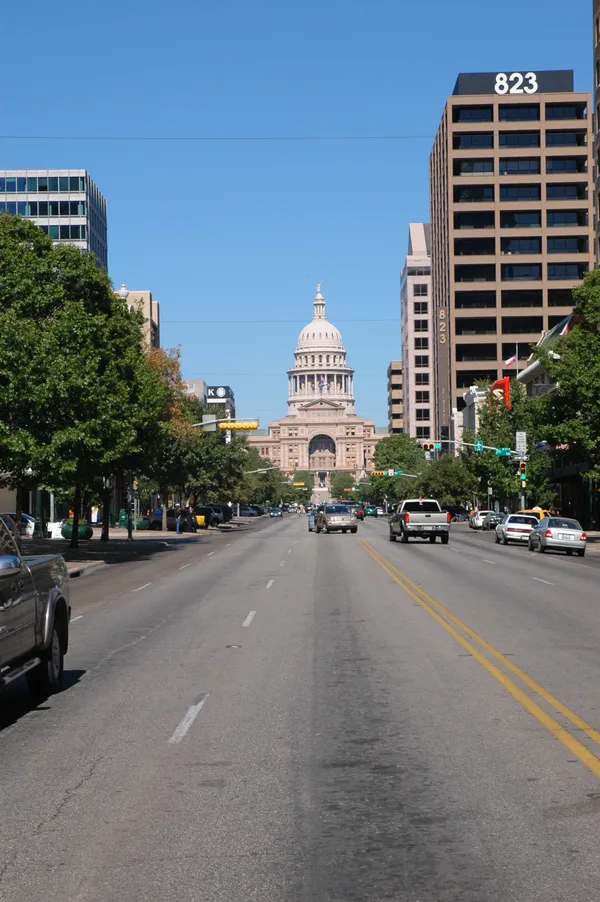
A phased rebuild on Austin’s historic downtown corridor
Austin has started construction on the first phase of the Congress Avenue Urban Design Initiative, a city-led effort to redesign a central stretch of Congress Avenue with an emphasis on safer, more accessible movement for people walking, biking and using transit, while maintaining vehicle access. Work is beginning in early 2026 and is planned to proceed block by block, with the first construction phase expected to be substantially completed by summer 2027.
The initial construction area runs from César Chávez Street north to Seventh Street, covering some of the most heavily used blocks of the corridor. The city’s long-range vision extends farther, generally described as spanning from Riverside Drive to 11th Street, but later elements remain dependent on future funding and design decisions.
What the first phase changes on the street
The first phase focuses on physical changes to the public right-of-way intended to improve accessibility and comfort for people moving along and across the avenue. Planned work includes widening sidewalks and creating pedestrian amenity zones, tree planting and measures aimed at improving street-tree health, and upgrades to bikeway barriers. The plan also includes targeted traffic operations changes, including dedicated turn lanes on select blocks.
- Expanded sidewalks and added pedestrian zones on Congress Avenue between César Chávez Street and Seventh Street
- New trees and tree-health improvements as part of streetscape upgrades
- Upgraded bikeway barriers intended to better separate people biking from moving traffic
- Selective turn-lane additions and other traffic-lane adjustments to support operations during and after construction
Cost, funding, and timeline
City materials and public briefings describe the first phase as a $13 million construction effort funded through Austin’s voter-approved 2020 Mobility Bond. Earlier planning discussions have referenced a much larger total buildout cost for the full corridor concept, but the city’s near-term work is limited to the funded first phase now underway.
Construction sequencing is designed to limit disruption by focusing on one block at a time, with each block expected to take roughly two to three months. The city has indicated that short-term lane closures and detours will occur, while pedestrian access and access to adjacent buildings is planned to remain open throughout construction.
Business access, parking impacts, and ADA considerations
Downtown stakeholders have raised practical questions about curb access, loading, and the day-to-day impacts of construction. Public discussions of the phase-one approach have included estimates that dozens of parking spaces along the corridor could be displaced during and after the changes, with accessible parking expected to be relocated to nearby cross streets to meet federal accessibility standards.
The city’s construction approach is designed to move block by block to reduce prolonged disruption on any single segment.
What comes next after the first construction phase
Beyond the César Chávez–Seventh segment, future concepts have included the idea of a more pedestrian-oriented plaza area farther north, generally discussed for blocks between Seventh and 11th streets. Those elements are not part of the funded first phase and would require additional funding and further design work before a timeline could be set.