Austin-area gasoline prices surged by more than $1 in a month, with sharp county-level differences
A rapid run-up at the pump across Central Texas
Drivers in the Austin–San Marcos region have faced a swift increase in gasoline prices over the past month, with some parts of Central Texas seeing jumps that add up to more than $1 per gallon at the retail level. The upswing has been broad-based, but not uniform: county averages and station-level pricing have diverged noticeably, creating large differences for commuters traveling across county lines.
Recent statewide tracking has placed Texas’ average regular unleaded price in the low-to-mid $3 range in early-to-mid March 2026, after being materially lower earlier in the year. In the Austin–San Marcos metro, average retail prices moved higher over a short period, reflecting the same upward trend seen across the state.
What is pushing prices higher
Retail gasoline prices are shaped primarily by the cost of crude oil, which is the main input into gasoline. When crude prices rise quickly, wholesale fuel costs typically move up first, followed by pump prices. Market volatility has intensified in recent weeks amid heightened geopolitical risk in the Middle East, including disruptions and uncertainty affecting global oil supply expectations. As a result, national gasoline averages have climbed and state-level averages have followed.
In addition to crude oil movements, regional refining and distribution dynamics play a major role in what Austinites pay. Refinery utilization, unplanned outages, seasonal gasoline blend transitions, and pipeline and terminal logistics can all influence how strongly and how quickly price increases show up at the retail level in Texas metros. Competition and local station strategy can further widen differences, even within the same county.
Why county prices can differ so much
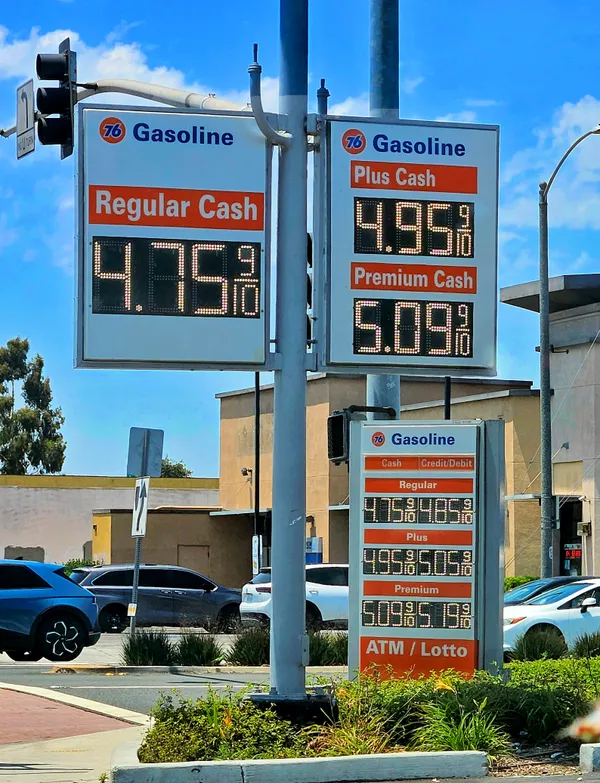
County-to-county gaps often reflect a mix of factors: distance from terminals, the concentration of stations competing in a corridor, commuter demand patterns, and differences in retail margins. Higher-traffic corridors can see faster price changes when wholesalers reprice deliveries, while lower-traffic areas may adjust more slowly. Station pricing can also vary by payment method (cash versus card) and by brand or franchise agreements.
Urban core areas can show tighter clustering of prices where competition is intense.
Suburban corridors may see wider spreads, particularly near highway interchanges and high-demand retail zones.
Rural counties may lag metro increases for brief periods, then catch up quickly when new, higher-priced inventory arrives.
What drivers can do now
For households managing rising transportation costs, the most reliable near-term savings typically come from comparing nearby stations before filling up, consolidating errands, and using loyalty discounts where available. Even modest per-gallon differences can add up over a month for drivers with long commutes.
Price swings can occur quickly during periods of oil-market volatility, and local spreads can widen when wholesale deliveries reprice at different times across counties.
With crude oil prices remaining sensitive to geopolitical developments, drivers should expect continued volatility—and continued differences between counties—until wholesale markets stabilize and retail inventories fully reflect any easing in underlying fuel costs.