Austin approves $24 million in cultural grants for artists, musicians, venues, and nonprofit arts organizations
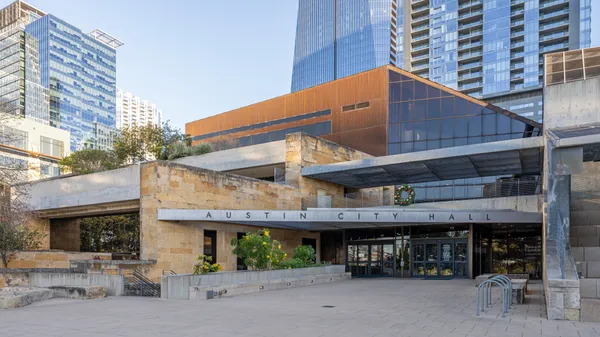
A multi-program investment built around tourism-tax revenue
Austin has approved a combined $24 million in cultural funding intended to support local artists, musicians, live music venues, creative businesses, and nonprofit cultural organizations. The funding is administered through the city’s arts and entertainment grant programs and is largely supported by Hotel Occupancy Tax revenue, a funding stream commonly used to back activities tied to cultural tourism.
The investment spans several grant tracks designed to reach different parts of the creative economy, from individual creators and small arts groups to established nonprofit institutions and commercial cultural spaces. City materials describe the goal as stabilizing and expanding creative activity while reinforcing Austin’s position as a destination for arts and music.
How the $24 million is structured
The approved amount is distributed across four primary programs for the current funding cycle:
- Austin Live Music Fund: $7 million, with individual awards ranging from $5,000 to $70,000 for musicians, independent promoters, and live music venues.
- Elevate: $13 million, with awards ranging from $30,000 to $80,000 for arts organizations, individual artists, and creative businesses.
- Creative Space Assistance Program: $1.6 million, structured around $60,000 awards aimed at commercial creative spaces.
- Heritage Preservation Grant: $3 million, with awards ranging from $50,000 to $250,000 supporting preservation-related projects and activities.
In total, the city has projected roughly 680 awards across these programs, reflecting a strategy that mixes many small and mid-sized grants with fewer large awards in areas such as preservation and facilities-related needs.
Demand indicators: applications, eligibility screens, and panels
City program documents show heavy demand for funding across all categories. Intake and eligibility screening produced thousands of submissions before final applications were accepted for scoring. The city’s process includes eligibility checks, documentation review, and scoring by panels (for some programs) or combined auto-scoring and review (for others).
For Elevate and heritage grants, panel review is a central feature of the process. City materials describe dozens of panels and hundreds of panelists involved in February review meetings, with some meetings offering Spanish interpretation.
Funding decisions are based on scoring, with award notifications expected to include the applicant’s score and the score needed to receive funding in that program.
Administration and timing
The grant cycle is scheduled around 2026 activities, with a timeline that places scoring and panel meetings in early 2026 and funding distribution beginning in spring. The city’s arts and entertainment office coordinates the programs, while a contracted partner manages parts of the application and agreement workflow, with city staff responsible for monitoring and approving reports tied to grant requirements.
The $24 million package represents one of Austin’s largest consolidated annual investments in cultural grants, with funding tools that are tailored to individuals, organizations, venues, and preservation needs rather than a single one-size-fits-all program.