Austin Airport Travelers Face Longer Security Waits as TSA Staffing Strains Persist During DHS Funding Lapse
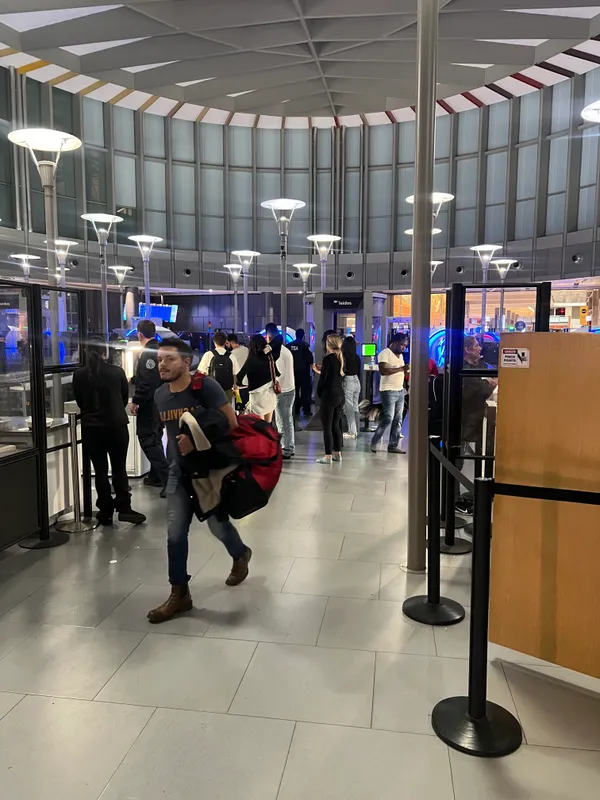
Disruptions at checkpoints intersect with peak Austin travel season
Travelers departing Austin-Bergstrom International Airport (AUS) have encountered intermittent, sometimes extended security lines in recent weeks as a partial funding lapse for the Department of Homeland Security has kept Transportation Security Administration (TSA) officers on the job without regular pay. The situation has coincided with heavy seasonal demand tied to spring break travel and major Austin events, intensifying pressure on screening operations.
Local travel advisories issued ahead of the spring travel window warned of a month-long surge in passenger volumes beginning March 12 and extending through the end of March. Airport officials have urged travelers to build extra time into their schedules, citing the potential for fluctuating screening throughput as crowds build at peak morning and weekend periods.
Why the shutdown matters for security lines
TSA screeners are considered essential personnel and are required to continue working during a funding lapse. However, the shutdown has disrupted pay for federal workers in affected agencies. National reporting during the current impasse has documented missed or reduced pay for TSA employees and linked that disruption to increased unscheduled absences at some airports—an operational dynamic that can quickly translate into longer wait times at checkpoints, especially when passenger volumes are elevated.
In Austin, the travel surge has been shaped not only by school holidays but also by festival-driven demand. On high-volume mornings, lines have extended into terminal public areas, prompting airport staff to manage queues and direct passengers to available screening lanes.
Federal response expands beyond TSA staffing
As the shutdown’s impacts became more visible at U.S. airports, the federal government announced that additional personnel from other agencies would be sent to assist at checkpoints. The stated purpose of the move was to supplement TSA screening operations and reduce bottlenecks in the security process as staffing levels fluctuate.
Airports across the country have reported wide swings in checkpoint wait times during the funding lapse, with the longest lines tending to form when staffing drops coincide with concentrated departure banks.
Operational constraints already in place at AUS
AUS has also been operating amid ongoing infrastructure changes at its main terminal complex, including checkpoint and terminal-area construction that has periodically shifted passenger flows. Separately, the airport has announced that its South Terminal will remain operational through March 31, 2026, marking the final spring travel season before that facility’s planned closure—another factor shaping passenger distribution across the airport.
What travelers can expect in the near term
Wait times may vary sharply by time of day, with the highest risk of delays during early-morning departures and weekend peaks.
Checkpoint operations can change in real time as staffing and lane availability shift.
Passenger volumes are expected to remain elevated through the end of March, increasing the likelihood of crowding even when operations are stable.
As long as the funding lapse continues, airport screening performance in Austin and nationally is expected to remain sensitive to both staffing levels and demand surges, leaving travelers to plan for uncertainty at the security checkpoint.