Austin airport prepares to debut a new TSA security checkpoint before its scheduled public opening
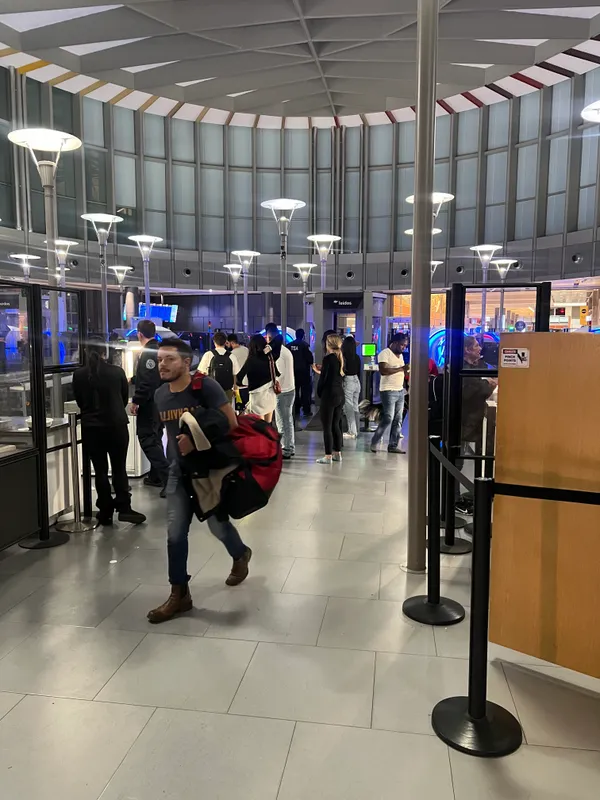
A phased security rollout at Austin-Bergstrom
Austin-Bergstrom International Airport is preparing to begin operations at a new Transportation Security Administration (TSA) checkpoint ahead of its formal opening, as airport leaders continue a multi-year redesign of passenger screening and terminal capacity. The debut is expected to occur in stages, allowing TSA and airport staff to test staffing patterns, passenger routing and lane configurations before the facility is fully incorporated into daily peak operations.
The early start comes as the Barbara Jordan Terminal manages security demand while major construction reshapes the west side of the terminal. TSA Checkpoint 3 has been closed since February 2024 and is scheduled to remain out of service through 2026 due to expansion work tied to the airport’s broader development program.
How screening operations are being reorganized
In the near term, airport operations are also changing how travelers are distributed among checkpoints. Starting May 8, screening is being consolidated so that TSA PreCheck and CLEAR operations are concentrated at a single checkpoint location, while other checkpoints maintain general screening lanes. Airport officials have described the objective as simplifying wayfinding and reducing confusion at the terminal’s security entrances.
- Checkpoint 1: general screening and several specialized screening categories
- Checkpoint 2 East: general screening
- Checkpoint 2 West: TSA PreCheck and CLEAR, with additional screening accommodations
What the new checkpoint is designed to support
The new checkpoint initiative is linked to the West Infill project, which is adding terminal space on the west side of the building and is also intended to support a new outbound baggage handling system. Project descriptions indicate the baggage system is designed to increase throughput, and the checkpoint program is designed to add screening capacity compared with the pre-construction layout.
Planning documents for the airport’s expansion program also describe completed checkpoint upgrades across the terminal and the installation of computed tomography (CT) scanners for carry-on screening, a technology increasingly used at U.S. airports to improve image quality and streamline bin-and-bag review.
Operational implications for travelers
Airport leaders have urged passengers to confirm checkpoint locations before arriving at the terminal, particularly during periods when construction closures and lane reassignments can change typical traffic flows. Travelers using accessibility services, premium lanes, or expedited screening programs may be routed to different checkpoint entrances than in prior years.
The airport’s security layout is in a transition period, with lane assignments and checkpoint availability tied closely to construction milestones scheduled through 2026.
Additional changes affecting passenger processing have also occurred nationally in recent years, including the start of mandatory REAL ID enforcement for domestic air travel in May 2025. At Austin-Bergstrom, that shift has increased the importance of arriving prepared with compliant identification or an accepted alternative such as a passport.