As SXSW Wraps, Austin Crews and Residents Confront Litter, Closures, and Post-Festival Street Conditions
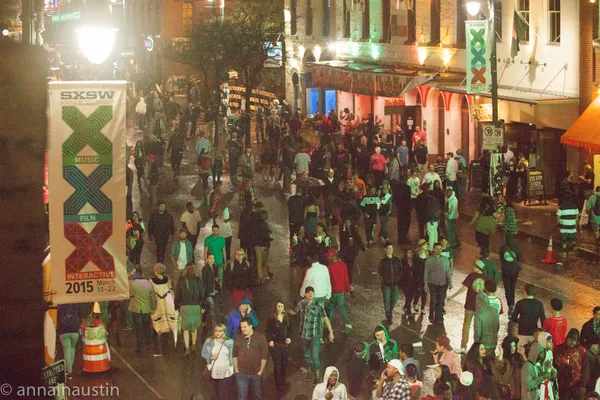
A familiar post-festival scene across central Austin
As South by Southwest (SXSW) concluded on Wednesday, March 18, 2026, downtown Austin and nearby entertainment corridors shifted from peak foot traffic to cleanup and recovery. In the hours after major events end, the most visible signs of the festival are often physical: discarded cups, food containers, wristbands and flyers; temporary barricades and signage; and heavily used sidewalks around high-traffic blocks.
The cleanup phase is not limited to the immediate festival footprint. Photos and neighborhood reports from the broader Austin area in recent days have also highlighted litter in popular outdoor destinations and along public rights-of-way, reflecting how visitor surges and everyday city use can intersect in shared spaces.
What changes during large downtown events
City operations typically adjust during major spring events, with additional public-safety staffing and targeted resources in the downtown entertainment district. Festival periods can also bring changes to transportation patterns, including street restrictions and modified curb access that affect deliveries, rideshare activity and parking availability.
Public messaging during Austin’s spring festival season has emphasized basic steps intended to reduce impacts on parks and streets—particularly the handling of trash and leftover food in public spaces.
How street conditions accumulate during a festival week
Large-scale events concentrate activity in relatively small areas. That density increases demand on public trash and recycling containers and can lead to overflow, especially late at night and around venue clusters. Cleanup work then becomes time-sensitive, because downtown streets return to regular commuting and commercial use each morning.
For city crews, the operational challenge is compressing an unusually high volume of waste into limited overnight windows while restoring sidewalks and curbs for morning traffic.
Where the impacts are most visible
Historically, the most visible post-event debris tends to appear where crowds gather and queue: near major intersections, outside venues, around food-truck concentrations, and along routes used to move between shows. In Austin, that often includes parts of the Sixth Street area, Red River corridors, and adjacent blocks that function as pedestrian connectors.
Outside the core, recent community posts have described litter at scenic overlooks and along trails, underscoring that post-event cleanup concerns can extend beyond downtown when visitors and locals converge on outdoor spaces during favorable March weather.
What happens next
Street restoration: Removal of temporary barriers and signage, clearing of curb lanes, and sweeping of sidewalks and gutters.
Waste collection: Additional pickups where containers filled quickly during peak nights.
Public-space recovery: Attention to parks, trailheads and overlooks that can show concentrated litter after high-usage weekends.
With SXSW now complete, Austin’s immediate focus turns to returning streets and public spaces to regular operations—an annual transition that is routine, but highly visible, for residents and businesses in and around the city’s busiest corridors.